The 'Reverse-OTA' Inversion: Building a 2026 Distribution Strategy Around Hyper-Niche Influencer Nodes
Discover why the future of tour distribution belongs to 'Micro-Nodes' rather than generalist OTAs, and how to scale your revenue to $10M+.
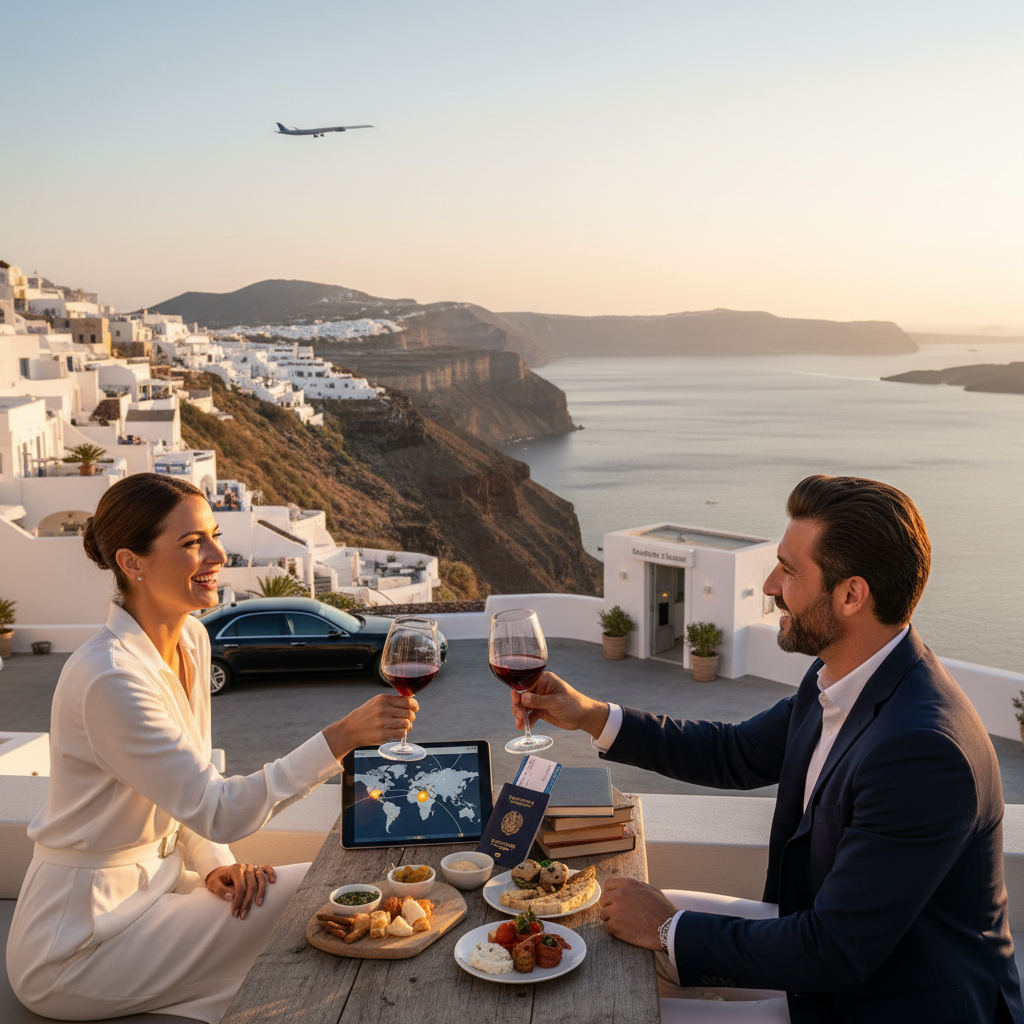
Look, I’m going to be blunt. If your 2026 growth strategy is still "upload photos to Viator and hope the algorithm gods smile on me," you aren’t running a business—you’re running a charity for TripAdvisor’s shareholders.
I’ve spent the last decade in the trenches of the tour industry, helping operators scale past the $10M mark. I’ve seen the honeymoon phase with OTAs (Online Travel Agencies) turn into a toxic relationship where they own your data, squeeze your margins, and treat your life’s work like a commodity.
But something is shifting. We are entering the era of the "Reverse-OTA Inversion."
By 2026, the travelers spending $10k+ on a trip won’t be scrolling through 25 pages of "Best Things to Do in Rome." They’ll be booking through Micro-Nodes—human curators who have built high-trust, low-noise communities.
Here is how you flip the script, ditch the generalist trap, and build a distribution network that actually belongs to you.
---
1. The Death of the 'Generalist' Listing: Why 1 of 5,000 is a Losing Game
In 2018, being on the first page of an OTA was a goldmine. In 2026, it’s a graveyard.
The problem is "The Generalist Trap." When you list a high-end, immersive experience alongside 5,000 other tours, the OTA’s interface naturally pushes the customer toward the lowest common denominator: price and review count.
I call this the Race to the Bottom. To the platform, you are just a SKU (Stock Keeping Unit). They don't care if a guest books your $500 private architectural tour or a $40 group walking tour, as long as someone books something.
But for you, that $500 guest is your lifeblood. When you stay in the generalist pool, you lose your brand story. You become "The Boat Guy" or "The Wine Girl." To break free, you have to stop trying to be found by everyone and start being selected by the few.
2. Identifying the 'Micro-Node': Your New Human Search Engine
If OTAs are the "Big Box" retailers of travel, Micro-Nodes are the boutique personal shoppers.
A Micro-Node isn’t a mega-influencer with 2 million followers who takes selfies in infinity pools. Those accounts are great for vanity, but terrible for conversions. A Micro-Node is a niche authority—a bird-watching expert, a high-end interior designer, a sourdough enthusiast, or a gravel-biking legend.
These people act as human search engines. Their audience doesn't Google "Best tours in Tuscany." They ask the Micro-Node: "Hey, where should I go?"
How to Vet a Micro-Node for $10k+ Leads:
- The "Vibe" Over "Volume": Look at their comments. Are people asking about the gear they use and the places they stay? That’s intent.
- The Demographic Lock: Does their lifestyle match your price point? If they stay at Four Seasons but your tour is a hostel pub crawl, it’s a mismatch. If they stay at eco-lodges and yours is a luxury reforestation trek, you’ve found gold.
- Platform Specificity: For 2026, look at Substack authors and closed Discord communities. These are high-intent "dark social" channels where the real money moves.
3. The Bespoke Booking Portal: Turning Influencers into Your Sales Force
This is where the "Reverse" part of the strategy happens. Instead of you paying the OTA to list your tour, you provide the influencer with a Bespoke Booking Portal.
Technology has evolved. You can now use white-label booking engines (like customized versions of Rezdy, FareHarbor, or Peek) to give an influencer a "branded" version of your experience.
Imagine a high-end photography influencer. Instead of them sending a link to your website, they send their followers to a page that says: "The [Influencer Name] Signature Photo Trek through the Andes."
Why this works: 1. Implicit Endorsement: The traveler feels they are booking a curated experience, not just a random tour. 2. Conversion: You eliminate "choice paralysis." There is one product, one expert, and one "Book Now" button. 3. Data Ownership: You get the customer's email. The OTA doesn't hide it behind a "guest-123@viator.com" mask. You can now market to that $10k traveler for life.
4. Margin Protection: 20% to an OTA vs. 15% to a Partner
I always hear operators complain: "Gonzalo, I can't afford to pay influencers and keep my margins."
My answer: Check your math.
Most OTAs are taking 25-30%. And for that 30%, they are actively bidding against your brand name on Google Ads. They are literally using your commission to steal your direct traffic.
When you move to a performance-based "Micro-Node" model, you can offer a 10-15% commission. The influencer is thrilled because it’s a high-ticket item ($10k package = $1,500 commission), and you are thrilled because you just saved 15% in margins AND gained a permanent brand advocate.
More importantly, this builds Direct Brand Equity. When the guest has a world-class time, they credit you and the influencer—not the OTA. That leads to referrals, and referrals have a $0 acquisition cost.
5. The 30-Day Roadmap to OTA Independence
You don’t have to quit Viator cold turkey today. But you need to start building your "Inversion" strategy now. Here is your 30-day play:
Week 1: Audit and Niche Down
Look at your top-performing tour. How can you make it "hyper-niche"? If it’s a "Kyoto Food Tour," turn it into "The Fermentation & Sake Secrets of Kyoto." Make it so specific that a generalist OTA user might find it "too much," but a niche enthusiast finds it "perfect."Week 2: Identify Your 10 "Nodes"
Scour Substack, Instagram, and specialized forums. Find 10 people who speak to your dream customer. Don't look for "travel bloggers." Look for experts in a field related to your tour. Reach out with a personalized video (use Loom) showing them the "Bespoke Portal" you want to build for them.Week 3: The Tech Stack
Set up your affiliate or partner portal. Ensure you have "tracking pixels" in place so you can see exactly which influencer is driving which leads. Create a "Partner Kit"—high-res photos, "Why this tour" talking points, and a personal bio of your lead guide.Week 4: The Soft Launch
Invite one Micro-Node on a "FAM" (Familiarization) trip. But don't just give them a free ride. Have them co-create a "Special Edition" itinerary with you. Launch it to their email list first.---
Conclusion: The Future is Human-Led
The internet is becoming flooded with AI-generated SEO content and generic OTA listings. In a world of infinite noise, trust is the only currency that matters.
By building a distribution strategy around Hyper-Niche Influencer Nodes, you aren't just selling a tour; you’re participating in a community. You shift from being a "commodity provider" to being the "trusted fulfillment partner" for the world’s most influential curators.
The $10M+ operators of 2026 won't be the ones with the biggest marketing budgets. They’ll be the ones with the strongest human networks.
Ready to start building? Stop refreshing your TripAdvisor dashboard and start hunting for your first Micro-Node. If you want to dive deeper into my specific tech stack for bespoke portals, drop me a message.
See you at the top,
Gonzalo