
Back to Articles
    Referral MarketingTour OperationsGrowth Strategy

    Tour Operator Referral Programs: How to Build a $10M Engine

    Stop relying on accidental word-of-mouth and build a systematic referral engine that turns every guest into a high-intent acquisition channel.

    GonzaloOctober 7, 2026
    Gonzalo

    Gonzalo

    Tour Operator Growth Expert

    Scaled a tour operation from $35 to over $10M in revenue, 99% organic. Writes operator-to-operator playbooks on pricing, sales, ops, and direct bookings.

    Stop relying on the "hope and pray" method of word-of-mouth. If your growth depends on people randomly remembering to mention your name at a dinner party, you don’t have a marketing strategy; you have a streak of good luck that will eventually run out.

    In my own business, operating across Portugal and Spain—from private yachts in the Douro Valley to luxury hiking in Sintra—I’ve moved my portfolio to a run-rate of over €2M per year, with more than €10M in aggregated revenue over the last several years. We did this without a massive outbound sales team. Instead, we built a systematic referral engine that turns every departing guest into a high-leverage acquisition channel.

    Most operators treat referrals as a "nice to have" bonus. I treat them as a high-intent sales funnel that consistently outperforms every other channel we track.

    Why referred leads close faster than OTA or organic leads

    Before you build the system, you must understand the "Referral Math." In my operations in Lisbon and Seville, we tracked the lead-to-close ratio across three primary channels: OTAs (Viator/GetYourGuide), organic search (SEO), and direct referrals.

    The data was staggering. An OTA lead often requires significant back-and-forth and has a high churn risk because the client is cross-shopping five other operators. An organic lead is better but still needs "warming up." A referred lead, however, typically closes at 4x the rate of a cold lead.

    Why? Because the trust transfer has already happened. The "social proof" isn't a star rating on a screen; it’s a personal recommendation from a friend who just spent three days with us in the Algarve. When a lead comes in saying, "My brother traveled with you last month," the sale is 90% done before I even open the email. This reduces your customer acquisition cost (CAC) to near zero, save for the reward you provide.

    How to build a dual-incentive referral structure

    The biggest mistake I see operators make is offering a one-sided incentive—usually a discount for the person referring. This feels "salesy" to the referrer and does nothing to entice the new lead.

    To build a high-performance engine, you must use a Dual-Incentive Structure. This means both the Referrer (your past guest) and the Referee (the new prospect) get something of value.

    1. The Referrer’s Reward: This should acknowledge their loyalty. For our high-end tours in Porto or Mallorca, we rarely use cash. Instead, we offer a "Legacy Credit"—a €100 to €250 credit toward their next booking, which encourages repeat business.
    2. The Referee’s Reward: This is the "hook." It gives the new lead a reason to book now rather than keep searching. It could be a €50 discount, a complimentary bottle of premium Alentejo wine upon arrival, or a free airport transfer upgrade.

    By rewarding both sides, the referrer doesn't feel like they are "selling" their friend. Instead, they feel like they are giving their friend a "gift" or "insider access" that isn't available to the general public.

    Comparing the ROI of referrals versus paid advertising

    Many operators are tempted to pour their entire marketing budget into Google Ads or Meta Ads. While paid search is excellent for volume, the unit economics of a referral program are almost always superior for boutique and luxury operators.

    Below is a comparison of how €500 (or $500) performs when deployed via a referral credit versus a standard Google Ads campaign, based on typical luxury tour industry averages.

    MetricGoogle Ads Spend (€500)Referral Credit (€500 Total Value)
    Direct Cost€500 upfront (unconfirmed result)€500 only paid after a booking is confirmed
    Lead QualityMixed; high "window shopping"Extremely High; pre-vetted by a peer
    Trust FactorLow (requires social proof building)Maximum (inherited from the referrer)
    Closing Rate2% - 5%20% - 40%
    Long-term ValueOne-off transaction likelyHigh (creates a loop of brand advocates)
    RiskHigh (you can spend €500 with zero sales)Zero (pay-on-performance model)

    When you spend on ads, you are renting an audience. When you invest in a referral program, you are building an asset.


    What is the best software for tour referral programs?

    If you are a small operator doing under €200k a year, do not overcomplicate this. You can start with Manual CRM Tracking. Use a custom field in your CRM (like Pipedrive, Hubspot, or even a simple Google Sheet) titled "Referred By." When a booking comes in, ask the question. If a name is provided, manually send a "Thank You" email to the referrer with their credit code.

    However, once you scale—like we have in our Portugal operations—you need automation to ensure no one flies home without being asked to join the program. You generally have two paths:

    • Dedicated Referral Software: Tools like ReferralCandy or Rewardful are powerful because they automate the link generation and tracking. They integrate with most major e-commerce platforms. The cost model is usually a flat monthly fee (e.g., $50-$100/mo) plus a small commission on referral sales.
    • Integrated Booking Platforms: Many modern booking engines (like FareHarbor, Rezdy, or Peek) have "Promo Code" or "Voucher" functions. You can create a unique code for each "VIP" guest manually. This is less automated but keeps your tech stack thin.

    For luxury operators, I prefer a semi-automated approach. We use automation to trigger the request, but the delivery of the reward often feels "hand-written" to maintain the high-touch experience.

    When is the perfect time to ask for a referral?

    Timing is the difference between an ignored email and a successful conversion. You want to hit the guest during the "Post-Tour High." This is the 24-to-48-hour window after they have finished their experience but before they have fully settled back into their "real world" routine at home.

    • The 24-Hour Mark: Send a personalized "Thank You" email. This is not the time for the "big ask." Just confirm you enjoyed having them.
    • The 48-Hour Mark: This is the "Referral Trigger." Send an automated follow-up.
      • Subject: A gift for your friends (and a thank you for you).
      • Body: "We loved showing you the hidden corners of Sintra. If you have friends planning a trip to Iberia, give them this link. They get a [Reward], and we'll put a [Credit] on your account for your next visit."

    If you wait a week, the dopamine from the trip has faded. If you ask during the tour, it feels intrusive. The 48-hour window is the sweet spot where they are still showing photos to their family and friends.

    Using non-cash rewards for high-net-worth clients

    If you are catering to ultra-high-net-worth (UHNW) individuals—the kind of clients booking €10,000 private villa experiences in Comporta—a €50 discount is insulting. It’s "pocket change" they don't care about.

    For this tier, you must use Status and Access as the currency. We call this the "Founder’s Circle" or "Inner Circle" strategy.

    • Exclusive Local Perks: Instead of a discount, the referred friend gets a private, after-hours tour of a winery that is normally closed to the public.
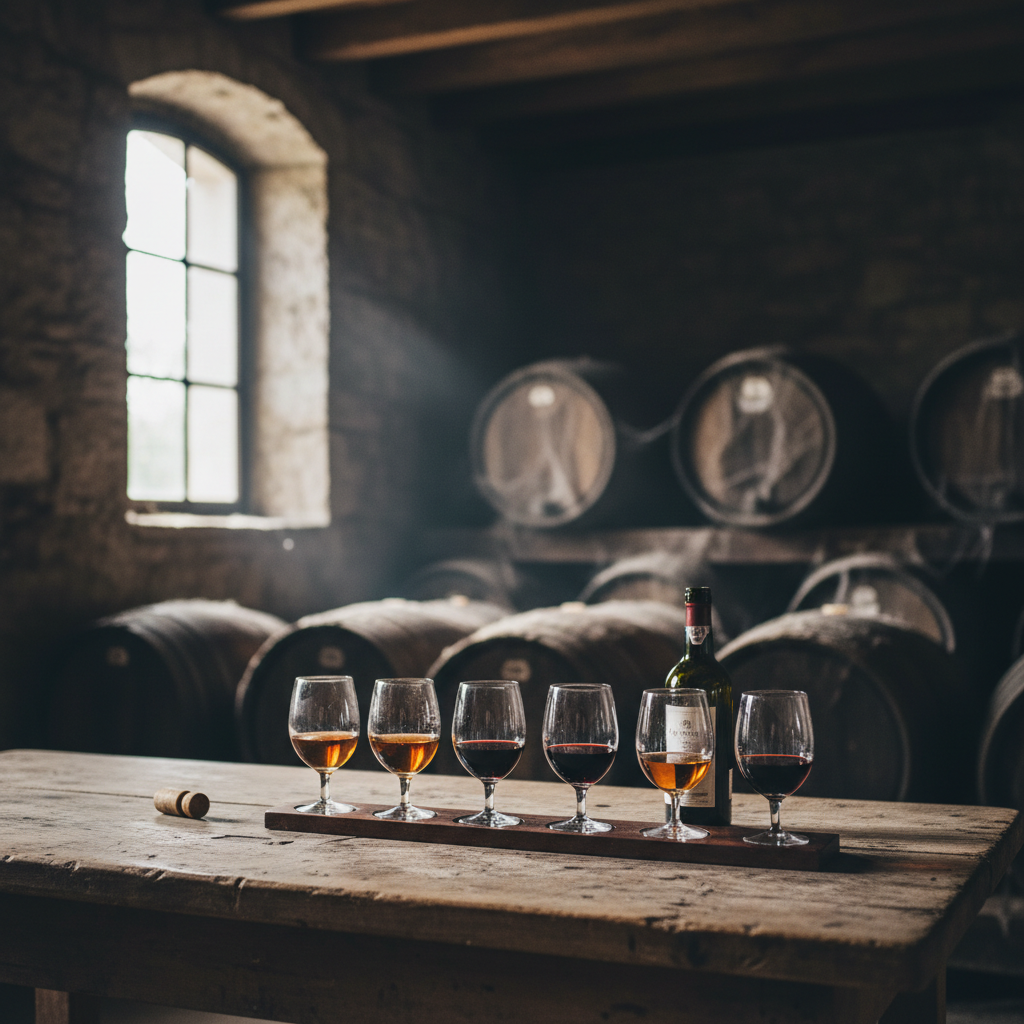
    • The Founder’s Gift: The referrer receives a curated box of rare, small-batch Portuguese olive oils or a vintage Port wine sent to their home address.
    • The "First Look" Privilege: Referrers get 48-hour early access to book new itineraries or limited-capacity seasonal events before they are released to the general public.

    In the luxury space, being an "insider" is worth more than a 10% discount. By positioning your referral program as a "Private Member Invitation," you turn a marketing tactic into a loyalty club. This is how you build a self-sustaining engine that keeps your calendar full with the right kind of guests.

    Book a strategy call

    Gonzalo

    Gonzalo

    Tour Operator Growth Expert

    Scaled a tour operation from $35 to over $10M in revenue, 99% organic. Writes operator-to-operator playbooks on pricing, sales, ops, and direct bookings.

    Recognition
    Forbes Business Council Official Member 2026

    Recognized among the best executive leaders worldwide by Forbes

    An invitation-only community for accomplished business owners and leaders.

    Related Articles