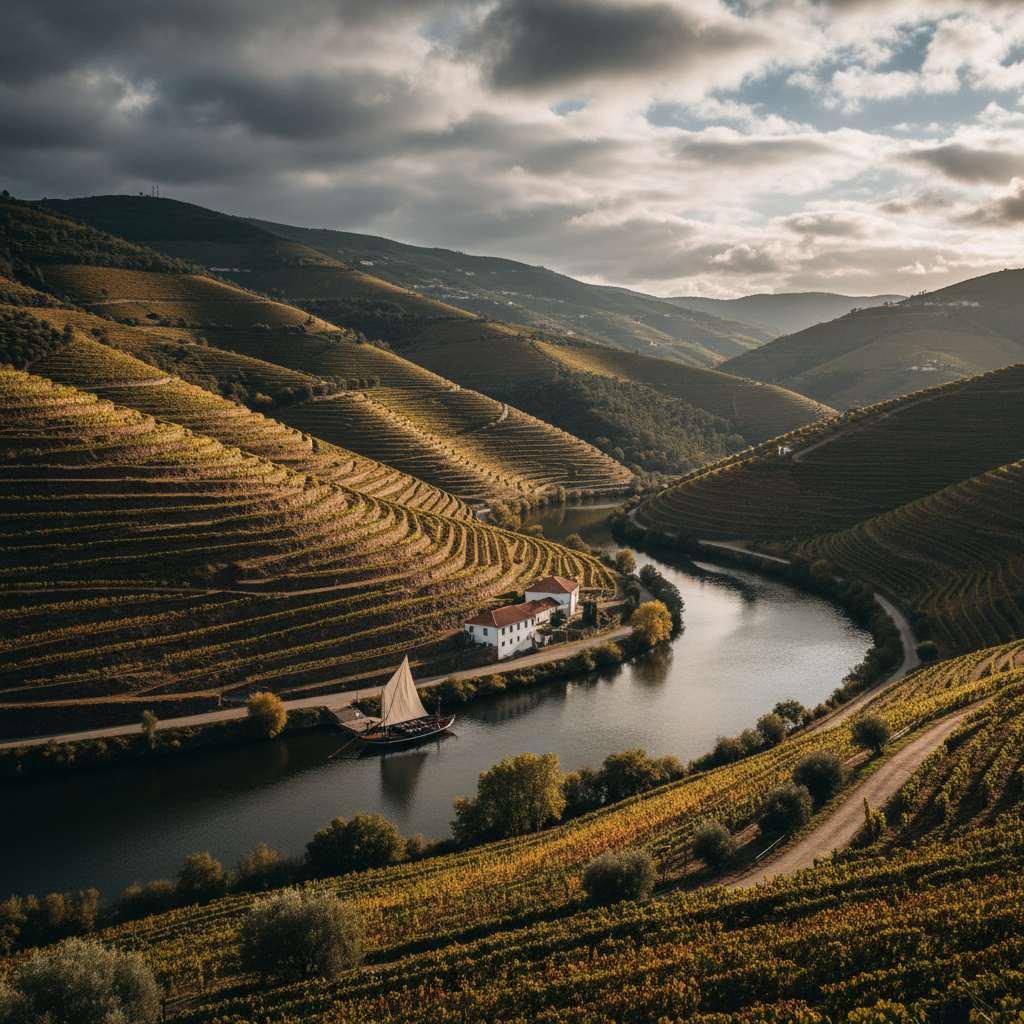
Stop giving 10% discounts to people who already love your brand; you are effectively paying guests to lower their perception of your value. If you want to turn a €5,000 private tour in the Douro Valley into three more bookings of the same caliber, you must stop acting like a commodity and start acting like a gatekeeper.
In my own business, which currently generates over €2M per year across Portugal and Spain, we have moved entirely away from price-based incentives. Over the years, having done €10M+ in aggregated revenue, I’ve learned that the highest-spending clients—the ones booking luxury drivers in Madeira or private villas in the Algarve—are not motivated by saving €200. They are motivated by social currency, exclusive access, and the desire to look like a hero to their peers.
If you are a luxury safari operator in Kenya or a boutique food tour owner in Tokyo, the math remains the same: a discount attracts a bargain hunter, while exclusive access attracts a brand advocate.
Why the Reciprocity Gap kills your referral rate
Most operators make the mistake of asking for a referral at the exact moment the tour ends. This is what I call the Reciprocity Gap. At the end of a long day of sightseeing in Sintra or a multi-day hike in the Highlands, your guest is suffering from decision fatigue and sensory overload. They may be happy, but they are emotionally exhausted.
When you ask for a referral or a review while they are climbing into their airport transfer, you are asking for a favor when their "emotional bank account" is being closed for the trip. The "High" of the experience is peaking, but the logistics of departure are taking over. To get a high-quality referral, you need to wait until the "Rosy Retrospection" effect kicks in—usually 5 to 7 days after they have returned home and started showing photos to their friends.
In my operations, we saw a 40% increase in referral quality when we stopped asking on the final day and started a structured follow-up one week later. The guest has had time to miss the experience, and more importantly, they have likely already had the "So, how was your trip?" conversation with three or four potential leads for your business.
Comparison of Discounts vs Value-Add Incentives
Before you build your engine, you must understand the psychological difference between a price cut and an experience upgrade. A discount suggests your original price was inflated; a value-add suggests your network is exclusive.
| Feature | Discount-Based Model | Value-Add Incentive Model |
|---|---|---|
| Guest Perception | The tour was overpriced to begin with. | I have access to something others don't. |
| Client Quality | Attracts price-sensitive "deal seekers." | Attracts high-net-worth "experience seekers." |
| Brand Equity | Erodes margins and devalues the service. | Reinforces luxury positioning and authority. |
| Referral Motivation | "I'll save money if my friend books." | "My friend will get a VIP experience because of me." |
| Long-term Impact | Hard to raise prices later. | Builds a "club" atmosphere that scales. |
For example, if I’m running a high-end wine tour in the Alentejo, I don’t offer €50 off the next booking. Instead, I offer the referring guest a bottle of a "family-only" reserve wine that isn't for sale to the public, or I tell them that their referred friend will get a private meeting with the winemaker that isn't listed on the website. The cost to me is negligible, but the perceived value is immense.
The 5-step framework for a non-monetary referral engine
To build a referral engine that scales, you need to stop thinking about "sales" and start thinking about "status." High-end clients want to be the person who "knows a guy." Here is the tactical framework we use to facilitate that.
1. Identify the 'Social Currency' Asset
Look at your current itinerary. What is the one thing you can do that money cannot easily buy? In Seville, it might be access to a private rooftop for sunset drinks that isn't open to the public. In Porto, it might be a tasting of a 40-year-old Tawny Port directly from the barrel. This becomes your "Referral Reward." It is never a discount; it is always an "Upgrade of Access."
2. Segment Your Post-Tour Database
Not all guests are equal. You should not ask for referrals from the guest who complained about the weather or the one who was late for every pickup. Filter your CRM for guests who rated you 5/5 or expressed verbal delight. In my business, we prioritize the "Connectors"—clients who mentioned they belong to social clubs, industry boards, or large travel groups.
3. Close the Reciprocity Gap with Timing
Set an automated trigger in your CRM (like Pipedrive, Hubspot, or Checkfront) to send a personalized note exactly 7 days after their tour ends. This is the sweet spot. They are back in their office, looking at photos, and feeling the "post-vacation blues." Your email serves as a pleasant reminder of their best recent memory.
4. Frame the Referral as a Gift, Not a Sale
When you reach out, you aren't asking them to sell for you. You are giving them a "Gift of Access" to pass on. The language should be: "We loved having you. Because you are now part of our inner circle, if you have friends coming to Lisbon, let me know. I’ll make sure they get the [Exclusive Asset] that we don’t offer to the general public."
5. Institutionalize the "Thank You"
When a referral books, the original guest must be rewarded immediately with a physical or experiential token. If a past client in London refers a friend for a €3,000 tour in Mallorca, I don't send them a coupon. I might send a high-quality, physical photo book of their own trip or a crate of the olive oil they enjoyed during their lunch in the mountains. This closes the loop and ensures they will refer again.


