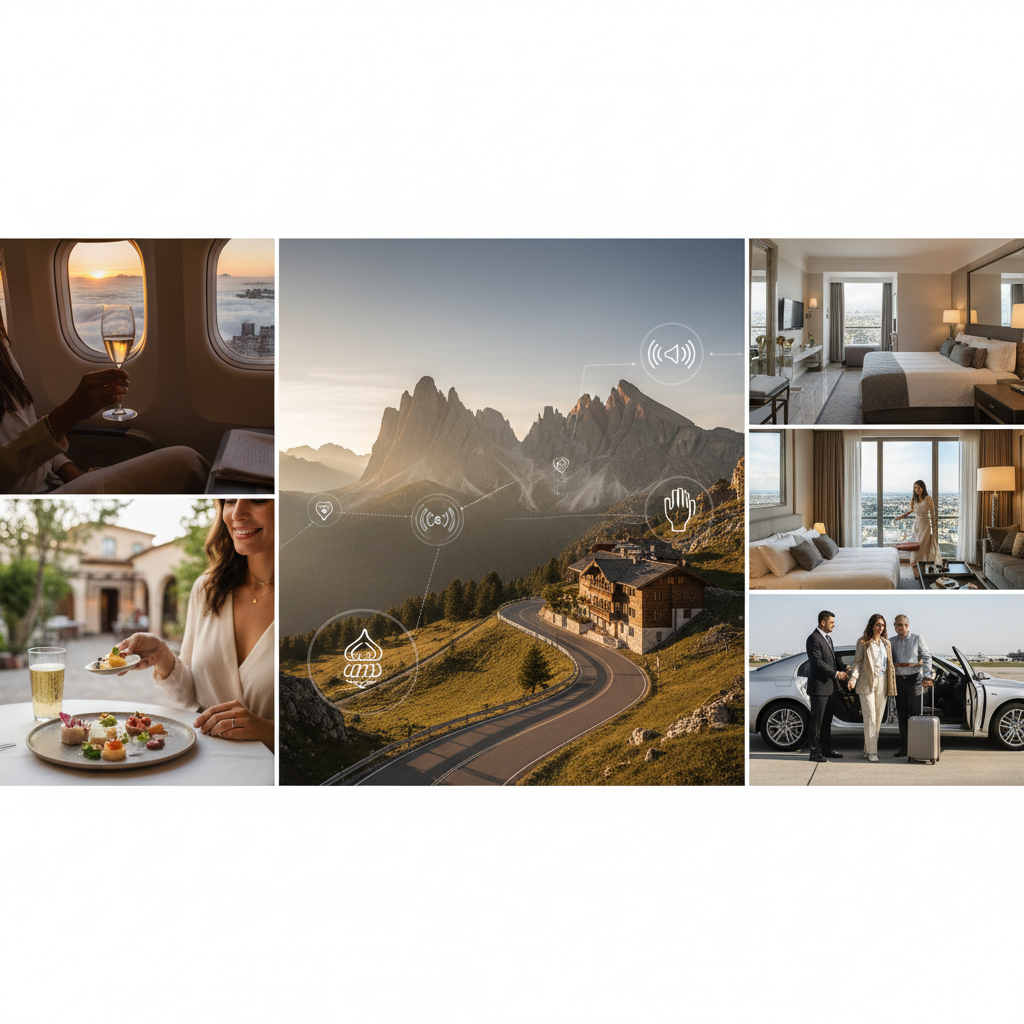

The 'Sensory Anticipation' Loop: Using Multi-Sensory Micro-Touchpoints to Increase Rebooking Rates Before the Tour Begins
Discover how Gonzalo uses scent, sound, and touch to build emotional bonds with travelers before the tour even begins.
I’ve spent the last decade deep in the trenches of the tourism industry, and if there is one thing I’ve learned while scaling businesses from $2M to over $10M in revenue, it’s this: Most tour operators are losing the sale after the guest has already paid.
You might think your job starts when the guest steps off the plane or walks into your lobby. You’re wrong. By then, the emotional peak of the transaction—the "booking high"—has usually faded into a sea of logistical stress and "pre-trip amnesia."
If you want to command premium prices and ensure that guests are already planning their next trip with you before they’ve even finished their first, you have to master what I call the Sensory Anticipation Loop.
In this guide, I’m going to show you how to move beyond the boring "Confirmation PDF" and use multi-sensory micro-touchpoints to build an unbreakable emotional bond with your guests.
---
Why Traditional Customer Experience Starts Too Late
Traditional tourism wisdom says: "Under-promise and over-deliver." While that sounds nice on a coaster, it’s a recipe for mediocrity in the luxury and high-end adventure market.
The "experience" doesn't start at the trailhead or the museum entrance. It starts the millisecond they hit "Book Now." However, most operators send a generic automated email and then go silent for three months. This creates a "dead zone"—a vacuum of silence where the guest begins to question the value of their investment.
When your communication is purely functional (itinerary updates, diet requirements), you are a commodity. When you engage their senses before they arrive, you become an obsession.
The Psychology of Anticipation: Bridging the Dopamine Gap
Neuroscience tells us that the human brain often derives more pleasure from anticipating an event than from the event itself. This is the "Dopamine Gap."
Between the moment of booking and the day of arrival, your guest is in a state of high neurological plasticity. They are dreaming, imagining, and—crucially—looking for cues to validate their purchase.
If you leave this gap empty, the guest fills it with anxiety (Will it be worth it? Is the weather okay?). If you fill it with sensory triggers, you are essentially pre-programming their final 5-star review. You are training their brain to associate your brand with pleasure, luxury, and care.
---
The Actionable Strategy: Implementing the Multi-Sensory Kit
To scale to $10M+, you need to stop thinking like a guide and start thinking like a luxury concierge. I’ve found that the most effective way to trigger rebookings is to send a physical-meets-digital "Anticipation Kit" about 30 days before the tour.
1. The Scent of the Destination
Smell is the only sense directly linked to the amygdala—the emotional center of the brain. For my high-end safari clients, we started sending a small, branded tin of a high-end candle that smelled of "Wild Grass and Rain."- The Action: Advise the guest to light it while they read their final itinerary. You are literally anchoring the "vacation feeling" to a specific scent. When they smell it again during the tour, the emotional bond is sealed.
2. Curated Soundscapes
Instead of a generic Spotify playlist, create a 3D "Atmospheric Soundscape."- The Action: Record 10 minutes of the actual sounds of your destination—the morning birds in the jungle, the clinking of wine glasses in the vineyard, or the gentle lap of the Mediterranean waves. Send this via a beautifully designed digital portal. Tell the guest: "Put on your headphones, close your eyes, and hear what's waiting for you."
3. Tactile Previews
Affluent travelers value the "hand-feel" of quality.- The Action: Ship a physical leather passport holder or a high-quality topographical map of their route printed on heavy cardstock. This isn't "merch"; it’s a tactile promise of the quality they can expect from your service.

Operationalizing Surprise and Delight 2.0
Let’s talk about moving beyond "Generic Email #3." If you want to see organic social shares (the kind of free marketing money can't buy), you need to make the pre-arrival stage Instagrammable.
Personalized Video Introductions
I stopped sending text intros years ago. Now, I have my lead guides film a 45-second personalized video on-site. "Hey Sarah, I'm standing here at the overlook where we'll be having sundowners in three weeks. The weather is perfect. Can't wait to see you!" This removes the "faceless corporation" barrier and creates a human connection that makes it socially awkward for the guest to cancel—and highly likely they’ll share that video with their friends.The "Welcome Home" Asset
Instead of saying "Welcome to the hotel," we send a digitized "Arrival Map" that highlights not just the hotel, but the guest's specific preferences. If they mentioned they love espresso, we map out the best three hidden coffee spots within walking distance of their first stay. We call these "Welcome Home" assets because they imply belonging, not just visiting.---
Case Study: From $2M to $10M by Closing the Gap
When I first started consulting for a boutique expedition company, they were doing $2M in revenue with a 10% rebooking rate. Their tours were incredible, but their pre-arrival process was a black hole of spreadsheets.
We implemented the Sensory Anticipation Loop: 1. 30 Days Out: A physical box arrived at the guest's door containing a specific spice blend used in the region and a QR code to a video of a local chef showing them how to use it. 2. 14 Days Out: A personalized video from their lead guide. 3. 7 Days Out: A digital atmospheric soundscape.
The result? Within 24 months, we hit $10M. Why? Because the pre-arrival "hype" was so strong that guests were bragging about the trip to their peers before it even started. Our referral rate spiked by 40%, and curiously, our "on-tour" complaint rate dropped to nearly zero. When guests arrive feeling pampered and seen, they are much more forgiving of small logistical hiccups (like a flat tire or a rainstorm).
---
The KPIs That Actually Matter
If you’re going to invest in sensory touchpoints, you need to track the right data. Forget "Open Rates." Track these:
1. Referral Velocity: How many new bookings are coming from guests who haven't even taken their tour yet? When the Anticipation Loop works, guests sell the trip to their friends while they are still in the "dreaming" phase. 2. Pre-Arrival Cancellation Rate: This should plummet. When a guest has a physical "gift" or a personal video, the psychological cost of cancelling feels like breaking a promise to a friend. 3. Early Rebooking Rate: Track how many guests ask about "next year's dates" during the final dinner of their current tour. If you’ve built the loop correctly, they are already hooked on the feeling you provide.
---
Conclusion: Start Before the Beginning
The secret to scaling to $10M+ isn't just about better buses or fancier hotels. It’s about owning the emotional real estate in your guest's mind for the months leading up to the trip.
By using scent, sound, and personalized human touchpoints, you aren't just selling a tour; you’re selling a transformation that begins the moment they commit. You are bridging the dopamine gap and turning "customers" into "evangelists."
Ready to transform your guest journey? Start small. Pick one sensory trigger—a scent, a sound, or a video—and implement it for your next ten bookings. Watch the feedback. I guarantee you’ll never go back to "Confirmation PDF" again.
If you want to dive deeper into how we systematize these touchpoints at scale, let's connect. Your $10M journey starts now.
