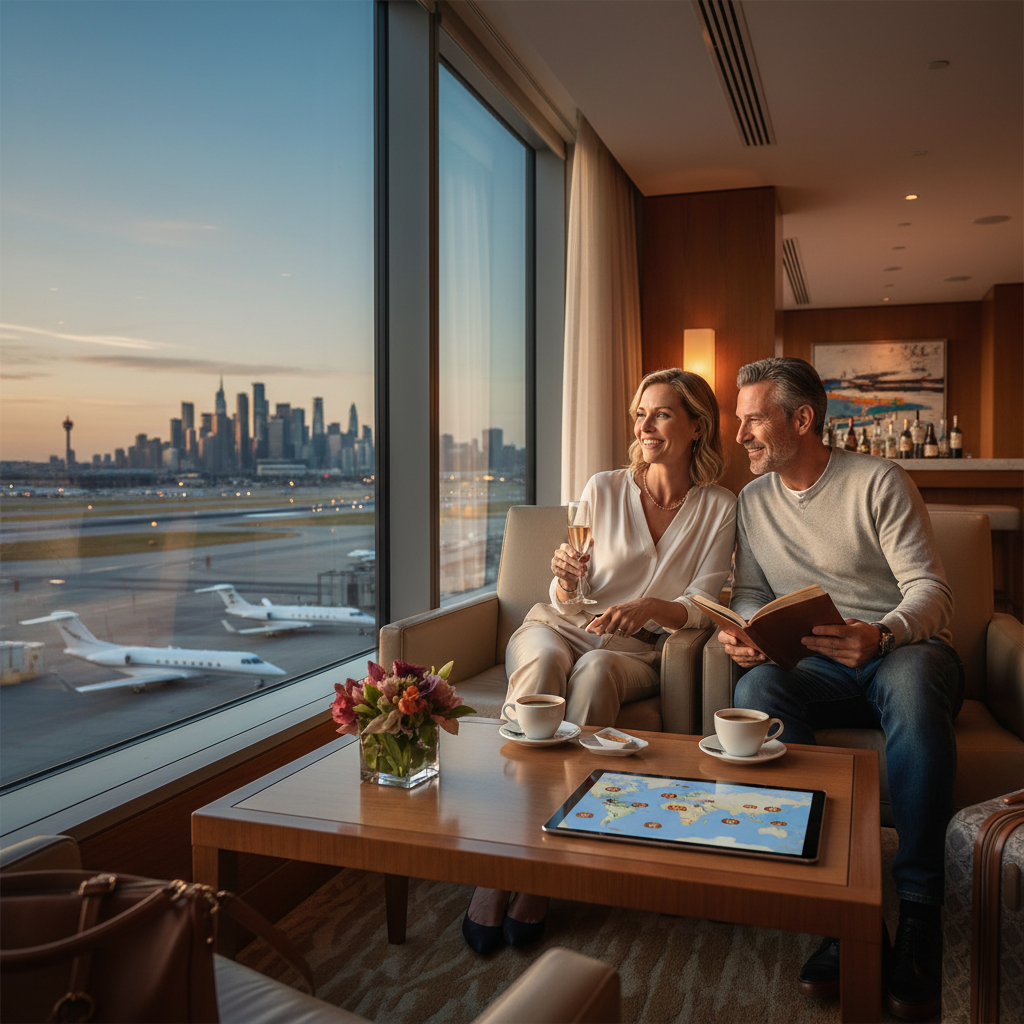
I’ve been in the trenches of the travel industry for over a decade. I’ve seen the boom of the "influencer era," where the goal was simple: flood the zone. Post every day, show every sunset, use every trending audio, and pray the algorithm gods blessed your booking engine. And for a long time, that worked. It helped me scale operations to the $10M mark.
But something shifted about 18 months ago.
I started noticing that my high-net-worth (HNW) clients—the ones who book the $50k expeditions and exclusive villa buyouts—weren't looking at our Instagram anymore. In fact, they were actively avoiding the "Instagrammable" spots. They were suffering from what I call Information Fatigue.
In 2024 and beyond, the luxury traveler isn't looking for more content. They are looking for a filter. They are looking for the 'Value-to-Noise' pivot. If you want to break into that next tier of growth, you have to stop being a content creator and start being a curator.
Here is how we are transitioning our high-performing brands from "loud and accessible" to "quiet and essential."
1. The Death of the 'Instagrammable' Tour (And the Rise of the Unfilmable)
We spent the last decade designing tours that looked good on a 6-inch screen. We chased the "perfect shot." But here is the reality: if a location is famous for being "Instagrammable," your luxury clients already think it’s ruined.
The next tier of luxury growth lives in off-grid privacy. The most valuable thing you can sell today is an experience that cannot be filmed, or better yet, one where the client feels no desire to reach for their phone.
I recently advised a client in the Mediterranean to stop marketing their "private yacht sunset cruise" with drone footage. Instead, we shifted the narrative to "The Silent Bay"—a location where signal is spotty, guests are encouraged to lock their phones in a wooden box, and the value proposition is the absence of other people.
The Pivot: Stop marketing what people will see. Start marketing how they will feel when no one else is watching. High-value clients don't want to be where the crowd is; they want to be where the crowd isn't allowed.
2. From 'Newsletters' to 'Curated Intelligence'
If your CRM strategy is still "Monthly Newsletter: 10% off September Tours," you are screaming into an abyss of noise. Your HNW clients get 200 emails a day. They don’t want a newsletter; they want Intelligence.
In my experience, the shift from a service provider to a luxury partner happens in the inbox. We stopped sending "updates" and started sending "Briefings."
Think like a private investigator or a high-end art gallerist. Instead of a gallery of photos, send a 300-word deep dive into the political landscape of a destination, or a briefing on why a specific vintage of wine in a specific valley is peaking this year.
Tactical Tip: Audit your email list. Identify your top 5% of spenders. Move them to a "Curated Intelligence" list where they receive one-to-one style communication that offers sheer insight with zero "Buy Now" buttons. When you provide value without asking for a sale, you become a trusted advisor. That’s how you neutralize price objections before a quote is even sent.
3. The 'Gatekeeper' Brand Persona vs. The 'Service Provider'
Most tour operators make the mistake of being too "helpful." They position themselves as the eager service provider ready to jump at any request. While great service is vital, that persona is easily commoditized.
To hit that $10M+ revenue mark, your brand must evolve into the Gatekeeper.
A Service Provider says: "We can do whatever you want!" A Gatekeeper says: "We only work with 10 families a month to ensure my team can vet every single pilot and chef personally."
The Gatekeeper creates a barrier. They imply that the value isn't just in the execution of the tour, but in the access they provide. When you are a Gatekeeper, the client isn't just paying for a hotel room; they are paying for your ability to get the room that isn't listed on Booking.com.
This shift changes the power dynamic. It moves you from being a replaceable vendor to an essential asset.


