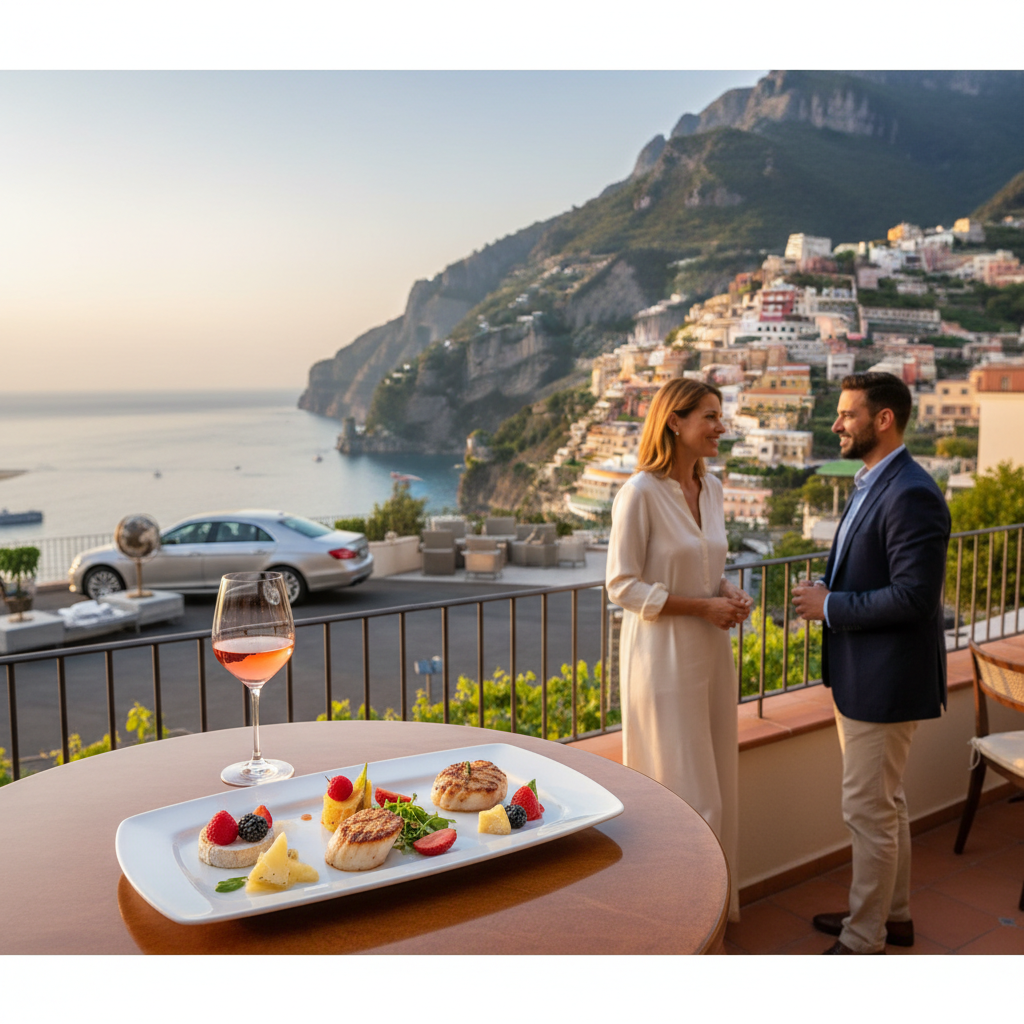
I’ll be honest with you: for the first five years of my career as a tour operator, I viewed food as a logistical headache. It was a line item to be minimized—a sandwich in a plastic wrap, a buffet that “did the job,” or a standard hotel breakfast. I was focused on the gear, the transport, and the "wow" views.
But then I hit a wall. Both personally and professionally.
I was burning out, living on caffeine and processed snacks while running $2M in annual bookings. At the same time, my most affluent guests—the guys from Silicon Valley and the executives from New York—started asking questions my guides couldn’t answer. “Is this pasture-raised?” “Do you have a low-glycemic option?” “What’s the protein count on this trail snack?”
I realized that the "Bio-hacking" and "Longevity" world wasn't just a niche hobby for tech bros; it was becoming the standard of living for the world’s top 1%.
I decided to bridge the gap. I took the same performance nutrition I was using to fix my own founder burnout and baked it into our itineraries. The result? I didn't just feel better; I was able to raise my prices by 30% without changing a single destination.
This is the shift from "Catering" to Value-Based Nutrition. Here is how you turn a lunch break into a high-ticket strategy.
The Intersection of Founder Productivity and Guest Luxury
If you’re a high-performing founder, you probably care about your sleep, your focus, and your physical output. You know that if you eat a big bowl of pasta for lunch, your afternoon productivity is shot.
Now, look at your guest. Your high-net-worth client isn’t flying 12 hours to feel sluggish. They are paying for an experience. If your itinerary includes a heavy, carb-loaded meal that induces a "food coma" right before the sunset hike, you have failed to deliver a premium experience. You’ve physically hindered their ability to enjoy the product they bought.
The "Value-Based Nutrition" trend treats food as a performance enhancer for the vacation itself. It’s about moving away from "fuel" (calories) to "function" (cognitive clarity and physical recovery).
Why Affluent Travelers Will Pay a 30% Premium for "Brain Fuel"
The modern luxury traveler doesn't want "decadence" in the traditional sense. They want longevity. They want to return home feeling better than when they left.
When you market a "Cognitive-Focused Menu"—meals designed to prevent blood sugar spikes and maintain steady energy—you are speaking a language that resonates with professionals. You aren't just selling a tour; you are selling an optimized biological state.
I’ve seen operators justify massive price bumps by simply replacing standard snacks with high-protein, clean-label alternatives and swapping out industrial seed oils for avocado or olive oil. It sounds like a small detail, but to a client who spends $500 a month on supplements, it’s a signal that you "get it." It builds instant trust.
Step 1: Audit Your Logistics Through a "Longevity" Lens
You don't need a Michelin-star chef to do this. You need a logistical audit. Start by looking at your current food offerings and ask three questions:
- Does this cause inflammation? (Sugar, seed oils, processed grains)
- Does this support recovery? (High-quality protein, magnesium-rich foods)
- Does this support focus? (Healthy fats, antioxidants)
Actionable Tip: Replace the "trail mix" (which is usually just M&Ms and raisins) with biltong or beef sticks, sprouted nuts, and dark chocolate. Switch the mid-afternoon bread-heavy snack for a collagen-infused smoothie or a protein-rich plate.


