The Rise of 'Slow Adventure': Adapting Tour Itineraries for the Low-Impact Traveler Trend
Discover how to pivot from 'box-ticking' tourism to immersive, slow-paced travel that drives higher margins and better guest experiences.
I remember sitting in a café in Cusco about eight years ago, watching a group of tourists dash off a bus, take three photos of a plaza, buy a mass-produced plastic keychain, and hustle back onto the bus in under fifteen minutes. They looked exhausted. I looked at the profit margins for that kind of "Checklist Tourism," and they were razor-thin.
Fast forward to today, and the game has completely changed. We are witnessing the death of the "10 Cities in 7 Days" itinerary. In its place, a powerhouse trend has emerged: Slow Adventure.
I’ve helped tour operators scale to eight figures by spotting these shifts early. If you want to grow in the 2020s, you have to stop selling "sights" and start selling "rhythm." The modern traveler isn't looking to conquer a destination; they’re looking to belong to it, even if just for a few days.
Here is how you adapt your itineraries for the low-impact movement and turn sustainability into your biggest competitive advantage.
What is 'Slow Adventure' (And Why Should You Care?)
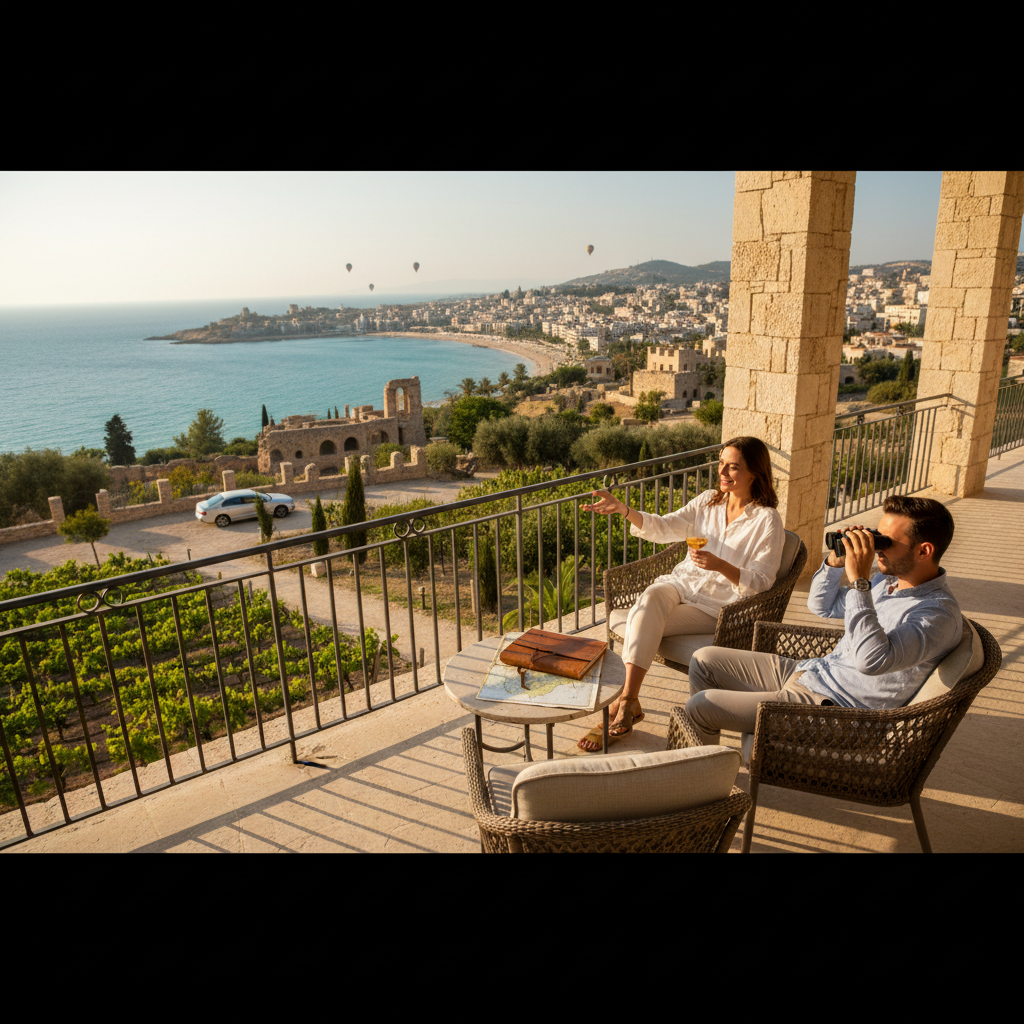
Slow adventure isn't just about moving at a snail's pace. It’s a deliberate shift from horizontal travel (covering as much ground as possible) to vertical travel (deep diving into one location).
The low-impact traveler is your highest-value lead. They stay longer, they spend more on quality experiences, and they are your most loyal advocates. They don't want the "Best of Italy" tour. They want "A Week in a Tuscan Vineyard Learning to Make Pasta from a Nonna who doesn't speak English."
From a business perspective, slow adventure is a dream. It reduces your transport overhead, simplifies logistics, and allows you to build deeper, more profitable relationships with local vendors.
1. Decarbonizing Your Offerings Without Losing the Magic
When most operators hear "decarbonization," they think of expensive carbon credits or boring lectures. Wrong. In the world of premium travel, decarbonization is an upgrade.
Stop the regional flights; start the scenic rail. I recently worked with an operator in Europe who replaced a short-haul flight between two cities with a private sleeper car experience. The cost was similar, but it became the highlight of the trip. It wasn't "cutting carbon"—it was "adding romance and comfort."
Audit your 'Food Miles.' If you’re serving imported salmon in the middle of a desert, you’re doing it wrong. A low-impact itinerary prioritizes hyper-local ingredients. When you tell your guests, "This cheese was made 3 miles away by the family you met this morning," the meal tastes better. Sustainability here isn't a sacrifice; it’s an artisanal luxury.
2. The Power of the Hyper-Local, Hyper-Niche Artisan
If you want to survive the rise of AI-generated travel plans, you need to offer things an algorithm can’t find. This means moving past the "official" tourist stops and partnering with people who don't have a website.
I call this the Artisan Anchor.
Instead of taking your group to a giant leather market, find the one craftsman who specializes in a 500-year-old stitching technique.
- The Strategy: Pay these artisans a premium to host a private, hands-on workshop.
- The Result: Your guests get a one-of-a-kind souvenir and a story they’ll tell for years. You get a unique selling proposition (USP) that your competitors can’t copy because they don't have the relationship.
3. Marketing Sustainability as a Luxury Benefit
Here is where most operators fail. They market sustainability as a chore. "Please reuse your towels to save the planet."
Let’s be real: people don't pay $5,000 for a trip to do chores.
You need to reframe sustainability as exclusivity and intimacy.
- Instead of: "We use electric vehicles to reduce emissions."
- Try: "Travel in the whisper-quiet comfort of our luxury electric fleet, allowing you to hear the sounds of the forest rather than the roar of an engine."
- Instead of: "We support local communities."
- Try: "Gain exclusive access to private estates and hidden workshops usually closed to the public."
4. Rethink the 'Bucket List' Mentality
We need to stop rewarding the "ticking boxes" behavior. As an operator, your job is to give your guests permission to slow down.
I’ve experimented with adding "Unscheduled Afternoons" into high-end itineraries. Initially, I was terrified guests would think they weren't getting their money's worth. The opposite happened. They loved it.
I told them: "This afternoon is for you to get lost in the cobblestone streets. Here is a list of my three favorite hidden cafes if you need a destination."
By removing the pressure to see everything, you increase the quality of what they do see. This is the heart of slow adventure. You’re selling the luxury of time.
5. Measure What Matters (And Share It)
The low-impact traveler is skeptical. Greenwashing is everywhere. If you say you’re sustainable, prove it with data, but keep it human.
At the end of a trip, instead of just a generic thank you, send a "Positive Impact Report."
- "By choosing this itinerary, you supported 4 local family businesses."
- "Your stay contributed to the restoration of X square meters of local habitat."
- "You helped divert X amount of plastic from the local landfill."
Conclusion: The Future is Slow
The "Fast Fashion" era of travel is ending. People are tired, the planet is tired, and frankly, the old way of running tours is exhausting for operators too.
Adapting to the slow adventure trend isn't just a moral choice; it’s the most tactical business move you can make right now. By focusing on depth over distance, artisans over gift shops, and luxury over franticness, you’ll build a brand that resonates with the most profitable demographic in the industry.
Stop trying to show them the whole world in a week. Show them one corner of it so perfectly that they never want to leave.
Want to audit your current itineraries for the 'Slow Adventure' shift? Start by looking at your longest driving day and see if you can replace it with two nights in a single, high-quality location. Your guests—and your bottom line—will thank you.
*