I remember the exact moment I realized why some tour operators stay stuck at six figures while others skyrocket past the $10M mark. I was sitting in the back of a luxury 4x4 in the Atacama Desert. The scenery was world-class, the vehicle was brand new, and the guide knew his history.
But something was off.
The air in the car smelled faintly of stale cleaning chemicals. The upholstery felt scratchy against my arms. The guide’s voice, while knowledgeable, had the rhythmic drone of a man who had recited the same script four thousand times.
Despite the $500 price tag, I felt like I was on an assembly line.
In my decade of scaling tour companies, I’ve learned a hard truth: Logistics don't build empires; emotions do. Most operators compete on "better" (newer vans, lower prices, faster pace). But "better" is easily copied. To become price-inelastic—meaning you can charge 30% more than your competitors and still have a waitlist—you must be different.
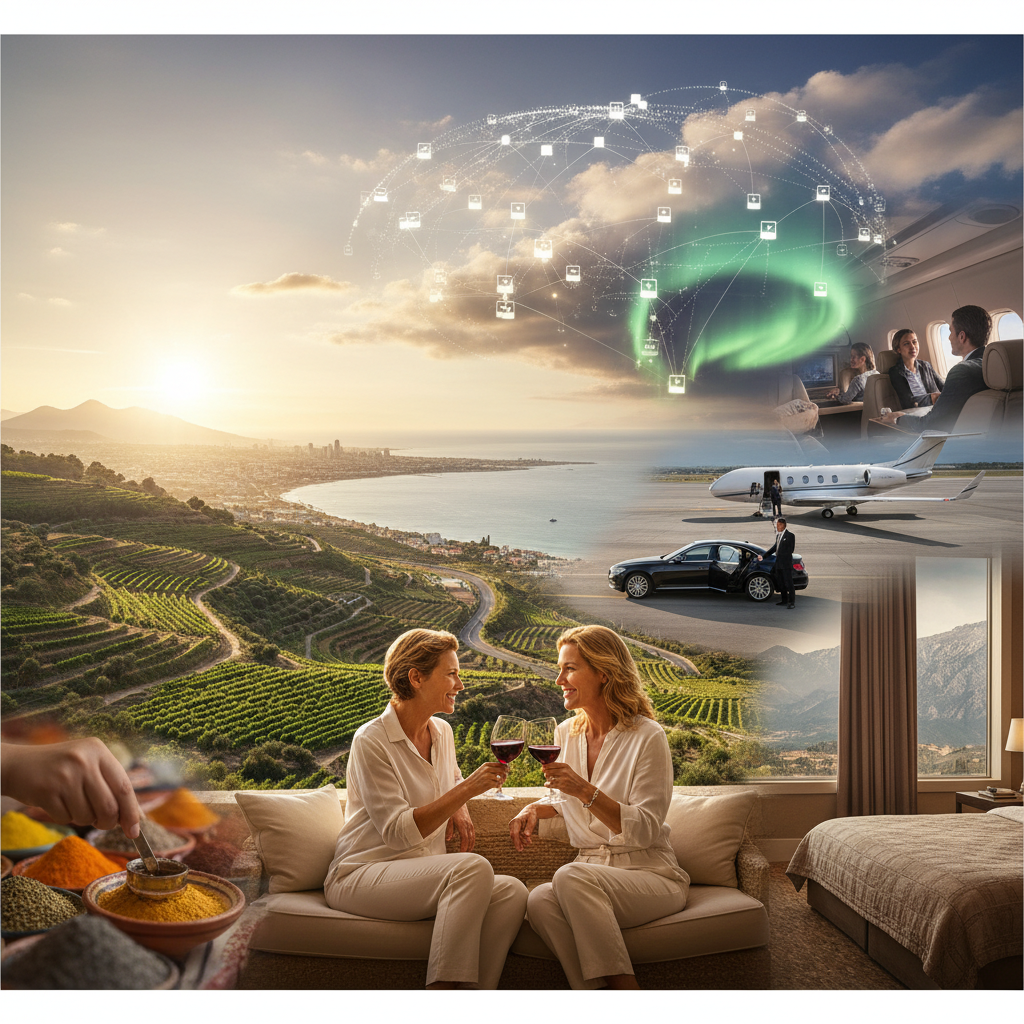
You need a Sensory Signature. This is the intentional engineering of sight, sound, scent, and touch to close the "sensory gap" and turn a standard itinerary into an uncopyable memory.
1. The Sensory Audit: Beyond the Itinerary
The first step to $10M growth is auditing every touchpoint not by what happens, but by how it feels. Most operators stop at the "Sight" (the view, the monument). That’s a mistake.
The Olfactory Anchor (Scent)
The sense of smell is hardwired to the brain’s limbic system—the seat of emotion and memory. When a guest steps into your pickup vehicle, what do they smell? If it's "nothing" or "Armor All," you've missed an opportunity.
- Actionable Tip: I once helped a high-end safari operator integrate a signature scent—sandalwood and dried citrus—into the cool towels handed to guests after a dusty drive. Now, whenever those guests smell sandalwood, they are physiologically transported back to that tour.
The Auditory Pace (Sound)
Your guide's vocal pacing is your "soundtrack." A guide who speaks at a constant 140 words per minute is a sleeping pill.
- Actionable Tip: Train your guides in "Vocal Dynamics." Use silence strategically at "reveal moments" (like the first view of the crater). Let the wind or the silence do the talking. Audit the music in your vans—is it generic Top 40, or does it transition from ambient morning energy to celebratory afternoon beats?
2. The Psychology of 'Micro-Surprises' and the Peak-End Rule
Behavioral economics tells us that humans don’t remember the total sum of an experience. We remember the "Peak" (the most intense point) and the "End." This is the Peak-End Rule.
To make your tour price-inelastic, you must engineer "Micro-surprises"—unexpected physical tokens that trigger dopamine hits.
I’m not talking about expensive gifts. I’m talking about contextual tokens.
- If it’s a rainy day hike, the "Micro-surprise" isn't just a poncho; it’s a high-quality, branded umbrella handed over with a smile and a warm thermos of local herbal tea tucked into the cup holder.
- It’s the handwritten note waiting in the van that mentions a specific interest the guest shared during booking.
These tokens aren't "amenities." They are physical anchors that prove you are paying attention. When a guest feels seen, price resistance disappears.


