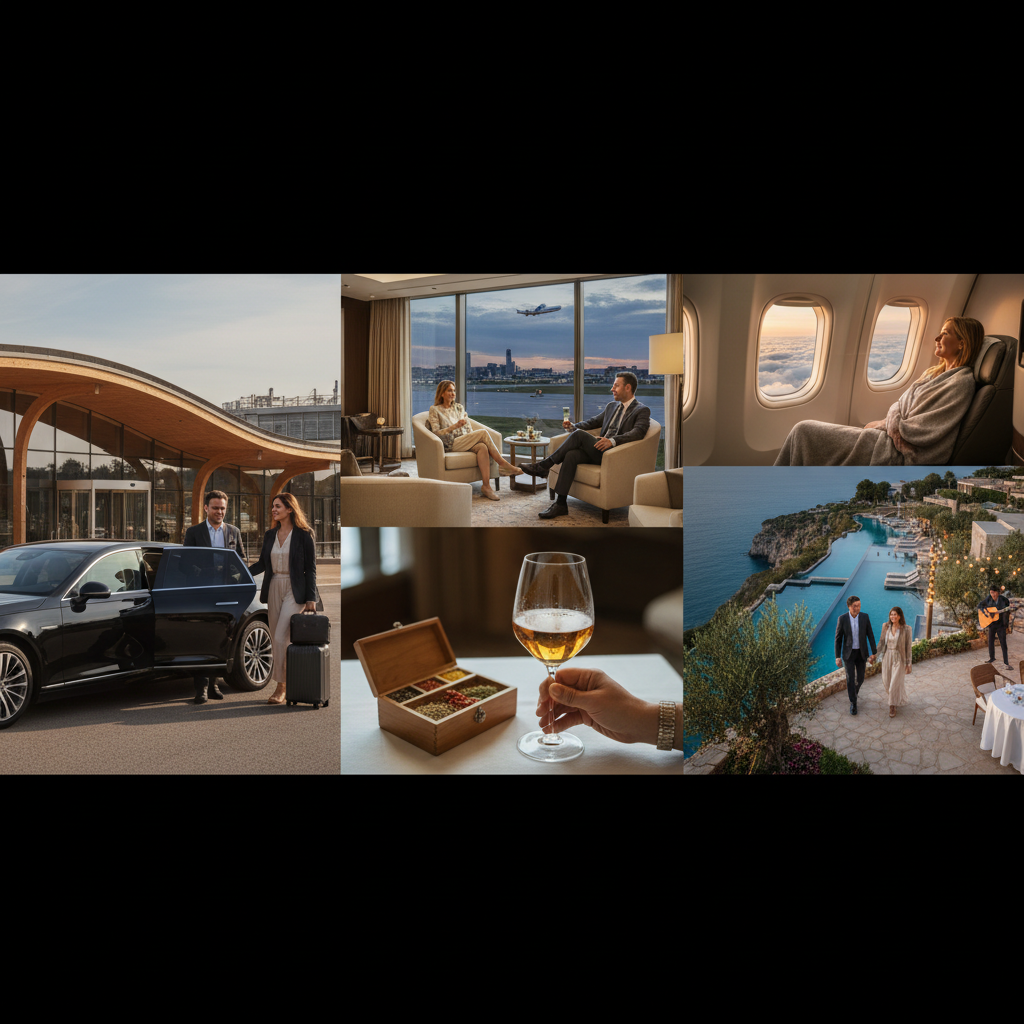
I’ve spent the last decade deep in the trenches of the global tour industry, scaling operations from "mom-and-pop" excursions to multi-million dollar powerhouses. If there is one thing I’ve learned after generating over $10M in revenue, it’s this: Your guest doesn’t judge your tour based on the facts they learn; they judge it based on how they felt in the first fifteen minutes.
We are heading into 2026, a world where AI can generate itineraries and OTAs (Online Travel Agencies) treat your hard work like a commodity. If you want to stop competing on price and start commanding a 30% premium over the guy next door, you have to stop selling "logistics" and start engineering "states of being."
I call this the Sensory Audit Framework.
The High Cost of a "Standard" Welcome
Most tour operators treat the arrival sequence like a DMV appointment. You know the drill: the guest arrives, someone checks a clipboard, asks for a waiver, and points toward a van or a lobby.
Here’s the problem: Your guest just got off a plane, fought traffic, or navigated a strange city. Their cortisol levels are peaking. They are in "defense mode." If your first contact is a administrative hurdle, you have failed to transition them from the stresses of travel into the magic of your experience.
The first 15 minutes dictate the entire review outcome because of the priming effect. If you lower their cortisol and elevate their senses immediately, they will forgive a rainstorm later or a slight delay at lunch. If you start with friction, they will spend the rest of the day looking for things to complain about to justify the price they paid.
Engineering the “Unspoken Welcome”: Scent, Sound, and Tactile Comfort
To command premium pricing, you must appeal to the lizard brain—the part of the human mind that decides if a place is safe and luxurious before the conscious mind even speaks. This is where the Sensory Audit begins.
1. Scent: The Shortcut to the Soul
Scent is the only sense linked directly to the amygdala. I once worked with a desert trek operator who felt "stale." We introduced a simple ritual: a chilled eucalyptus-scented towel offered the moment the guest stepped out of the transport. The cost? Pennies. The result? Guests mentioned the "refreshing arrival" in 80% of their 5-star TripAdvisor reviews.
Actionable Step: Find a signature scent for your meeting point or vehicle. Whether it’s fresh citrus, cedarwood, or local lavender, use it consistently. It signals to the brain: “You have arrived. You can breathe now.”
2. Sound: Removing the "City Noise"
If your tour starts on a busy street corner, your guests are subconsciously competing with sirens and barking dogs. Premium operators use "Aural Shielding." This might mean noise-canceling headsets that play soft, atmospheric local music during the safety briefing, or choosing a meeting spot 20 yards inside a quiet courtyard rather than on the curb.
3. Tactile Comfort: The Weight of Luxury
Human beings equate weight and texture with value. If your check-in involves a flimsy plastic clipboard and a cheap pen, you are screaming "budget." Switch to a leather-bound folder and a heavy metal pen. Even if they are just signing a waiver, the physical sensation tells them they are in a high-value environment.
From Logistics to "Initiation": The 2026 Shift
In 2026, travelers will be starved for "presence." They don't want a check-in; they want an initiation into your world.
Think about the difference:
- Logistics Check-in: "Hi, name? Great. Sign here. The bathroom is over there. We leave in five."
- The Initiation: The guide makes eye contact (without a clipboard in the way), offers a local botanical drink, and says, "Before we start the clock, take a moment to leave the city behind. Here is what we are going to discover today."
By shifting the focus from "checking boxes" to "transitioning states," you move the guest from a consumer mindset to a participant mindset. Participants don't complain about prices; consumers do.


