The 'Second-Screen' Influence: How to Dominate the American Traveler’s Decision Window Through Narrative Email Marketing
Ditch the discount dumping. Discover how to use story-selling and educational nurturing to win over high-intent American travelers during their peak decision hours.
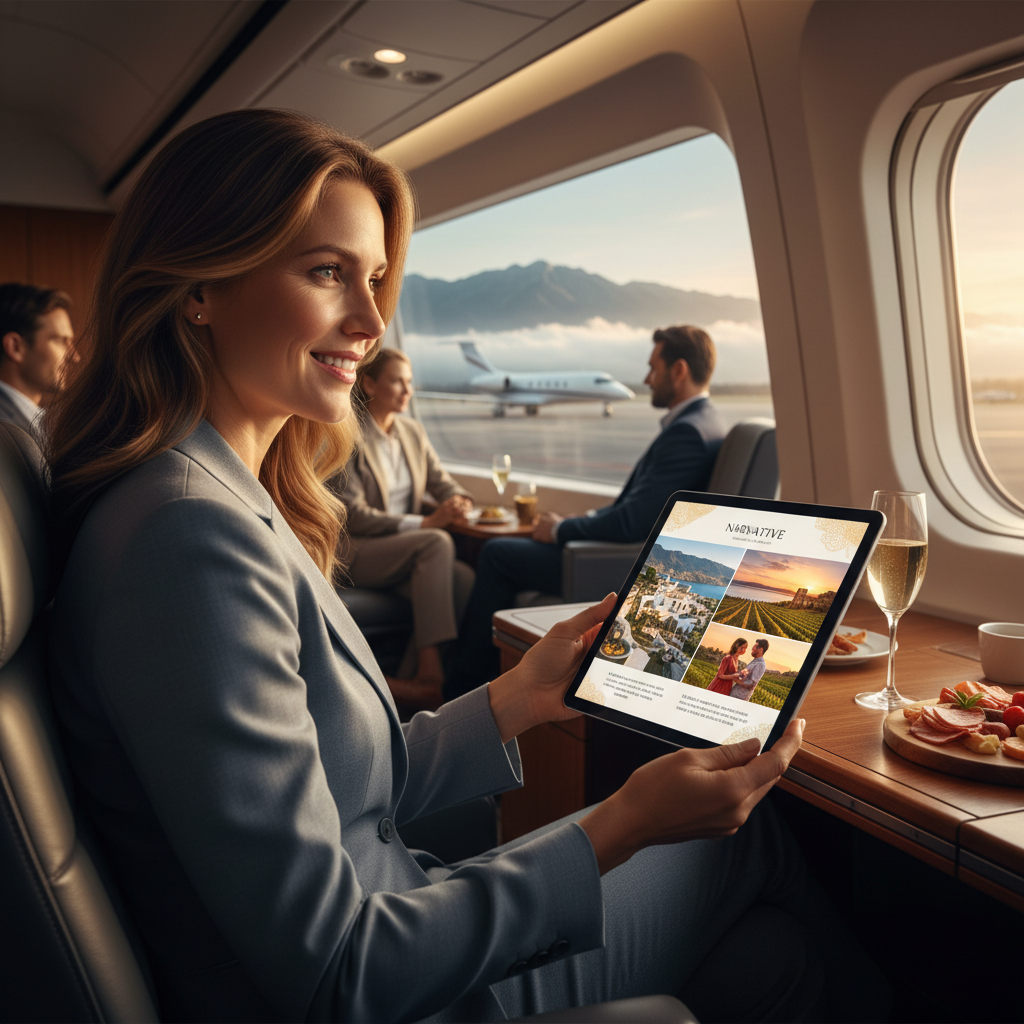
I remember sitting in a coffee shop in Bogotá, watching a tech-savvy traveler scroll through his phone while an episode of The White Lotus played in the background. He wasn't browsing Instagram to post a selfie. He was toggling between Google Maps, TripAdvisor, and his inbox.
In that moment, he represented the "Trillion-Dollar Opportunity" of the American market.
Over the last decade, I’ve helped tour operators bridge the gap between "just another excursion" and a $10M+ revenue machine. If there is one thing I’ve learned, it’s this: American travelers are your best customers. Why? Because they value their time more than their money. They want professional curation, they crave certainty, and they make their biggest spending decisions during the "Second-Screen" window.
If you are still trying to win this battle by dumping 20% discounts into an OTA (Online Travel Agency) or posting pretty pictures on Instagram, you’re losing. To dominate, you need to own the inbox through narrative email marketing.
The Psychology of the 'Second-Screen' Decision Window
What is the Second-Screen window? It’s that 8:00 PM to 10:30 PM slot in New York, Chicago, or Los Angeles. The traveler is winding down, watching TV, but their mind is already on their next vacation.
At this stage, they aren't looking for a "Book Now" button. They are looking for a story they can see themselves in. They are looking for an expert who can solve the "decision fatigue" of planning a trip.
Americans don't want the cheapest tour; they want the right tour. They want to know that when they land, everything is handled. By hitting their inbox with education rather than "discount dumping," you position yourself as the authority—the only logical choice.
1. Educational Nurturing: The 'Lone Traveler' Ethos vs. Discount Dumping
Most tour operators make the mistake of treating their email list like a clearance rack. "15% off if you book today!" This screams desperation. It tells the sophisticated American traveler that your value is tied to your price, not your experience.
Instead, I use what I call Educational Nurturing.
Imagine a traveler planning a trip to the Galapagos. Instead of a discount code, they receive an email titled: "The 3 things most travelers miss when choosing a boat (and how to avoid them)."
This is the "Lone Traveler" ethos. You are the guide standing next to them, whisper-pointing at the pitfalls they didn’t even know existed. When you educate, you build a "bridge of trust." By the time they see your price, they aren't comparing you to Viator; they are comparing you to the nightmare of doing it wrong.
2. The 3-Part 'High-Intent' Email Sequence Template
To capture the American traveler during that second-screen window, your CRM needs to fire a specific narrative sequence. Here is the framework I’ve used to generate millions in direct bookings:
Email 1: The "Empathy & Authority" Hook
Timing: Immediately after lead capture (within 5 minutes). The Goal: Prove you understand their specific pain points.- Content: "Planning a trip to [Destination] is overwhelming. There are 400 tour operators, and they all look the same. Here is why we started [Your Company] and the one thing we do differently to protect your limited vacation time."
Email 2: The "Operational Excellence" Story
Timing: 24 hours later. The Goal: Justify your premium price without mentioning money.- Content: Take them behind the scenes. Show them how you scouted a private trail or how your guides are trained in wilderness first aid.
- The Narrative: "Story-selling." Describe the smooth logistics. To an American, "seamless" is a luxury word. Show them the operational "heavy lifting" you do so they don't have to.
Email 3: The "Scarcity of Experience" Close
Timing: 48 hours later. The Goal: Move them from "researching" to "deciding."- Content: "We only take 8 people per group to ensure [Specific Benefit]. Our October dates just had three spots taken."
- The Narrative: This isn't a fake countdown timer. It’s an honest reminder that quality is limited.
3. Story-Selling to Justify Premium Pricing
The "Book Now" button is a commodity. A narrative is a monopoly.
When you use story-selling, you are effectively telling the traveler: "I have spent years perfecting this so that your one week of vacation is perfect."
I once worked with an operator in Peru who was struggling to compete with low-cost providers. We stopped talking about "bus transfers" and started talking about the "The 4:00 AM Coffee Ritual." We described the smell of the beans, the mist over the Andes, and the fact that our guests were the first ones at the gate while the crowds were still sleeping in Cusco.
We raised their prices by 30%, and their conversion rate increased.
Why? Because the American traveler isn't buying a bus seat; they are buying the feeling of being "in the know." Your email marketing should paint a picture of operational excellence that no generic OTA listing can ever convey.
4. Syncing CRM Tags with American Holiday Cycles
If you want to capture the trillion-dollar opportunity, you must respect the calendar. Americans plan their lives around specific windows: President’s Day, Memorial Day, July 4th, Labor Day, and the "January Reset."
Actionable Step: Segment your CRM leads by their "Dream Destination" and "Last Action Date."
- The 'January Reset' Tag: For leads who engaged in Q4, send a high-value educational series in the first week of January focusing on "The Year of Adventure."
- The 'Memorial Day' Push: This is when summer travel is finalized. Your emails should hit the inbox three weeks prior, focusing on "The Last Few Spots."
Conclusion: Stop Chasing, Start Leading
The American traveler is tired of being sold to, but they are desperate to be led.
If you continue to rely on OTAs, you are giving away 20-30% of your margin and 100% of your brand. By dominating the second-screen window with narrative email marketing, you move the conversation away from price and toward value, expertise, and trust.
Take a look at your current automated emails. Are they just "reminders" to book? Or are they stories that make the traveler feel like they’ve already found their guide?
If you want to scale to the next level, you have to own the narrative. Start by auditing your first three emails today. Switch from "What we offer" to "What you experience," and watch the direct bookings follow.
---
Ready to turn your tour business into a high-revenue machine? I’ve spent years refining these frameworks to help operators just like you break free from the OTA trap. Let's build a narrative that sells.