The 'Second Sale' Psychology: Redesigning In-Tour Micro-Moments to Triple Lifetime Value
Shift from pre-booking conversion to 'active-tour' monetization. Learn how to train guides to identify emotional peaks and trigger the 'Second Sale' during high-end tours.
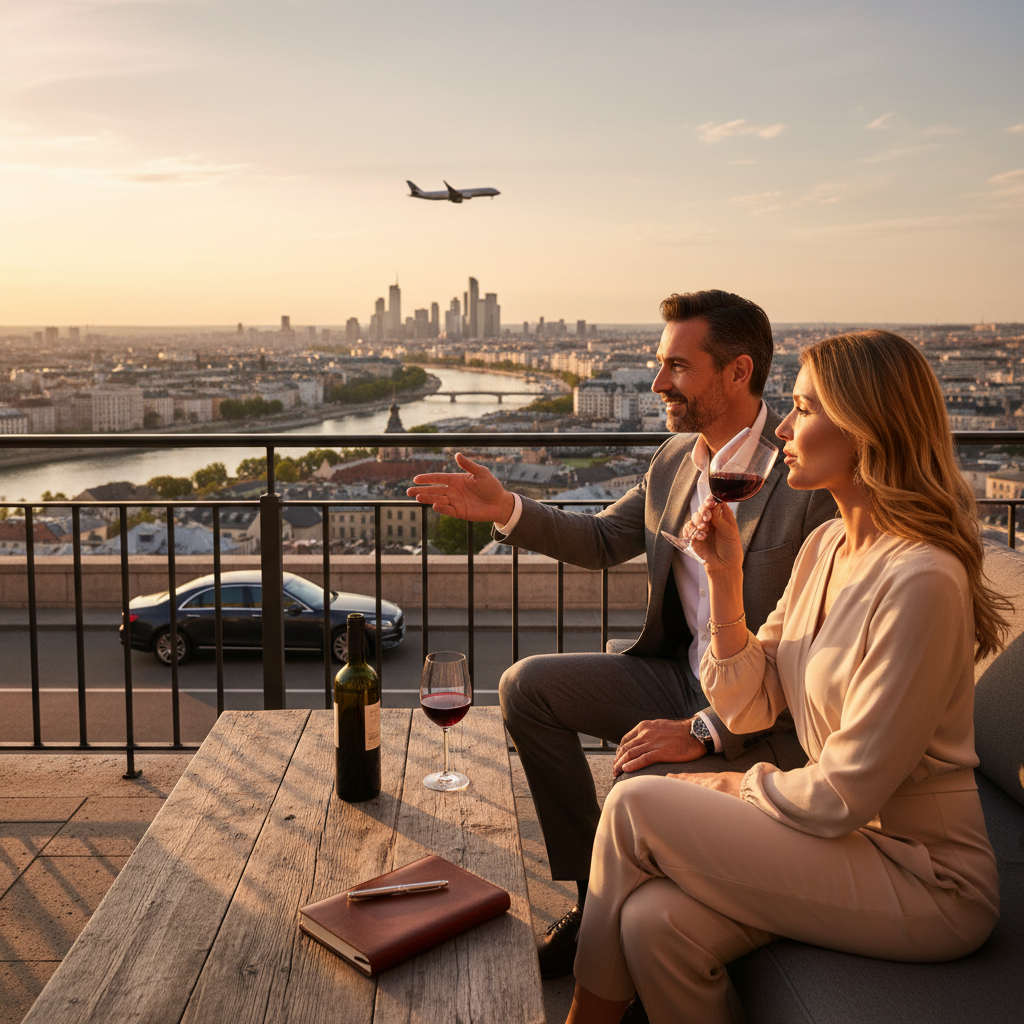
I still remember standing on a private jetty in Lake Como, watching a group of ultra-high-net-worth travelers step off a vintage Riva boat. They had just spent $15,000 on a three-day curated experience. As the guests walked toward their hotel, the guide shook their hands, said, "Hope you enjoyed it," and walked away.
I physically winced.
In that moment, thousands of dollars in future revenue evaporated. That guide—and the operator behind him—was a "Transactional Operator." He saw the end of the itinerary as the end of the relationship.
But after generating over $10M in revenue for high-end boutique operators, I can tell you the secret to the big leagues isn't in your Google Ads ROAS. It’s in the "Second Sale" Psychology.
We need to stop obsessing solely over the pre-booking conversion and start mastering Active-Tour Monetization. If you are running private tours in the $10k–$20k range, your most profitable sale isn't the one they already paid for—it’s the one they haven’t booked yet.
The Myth of the "One-Off" Luxury Traveler
Most operators treat a luxury booking like a trophy. They polish it, display it, and then look for the next one. They assume that because a client spent $20k, they are "done" for the year.
The $10M operator knows better. High-net-worth individuals don’t just buy a tour; they buy a shortcut to memories. When they are in the middle of a flawlessly executed experience, their trust in you is at an all-time high. This is the Active-Tour Peak.
At this moment, the friction of "sales" disappears. If you suggest a hot air balloon add-on for tomorrow or a private villa in Morocco for next spring, you aren’t "upselling." You are curating.
Identifying High-Value Micro-Moments
You cannot upsell a client when they are tired, hungry, or stuck in traffic. To triple your lifetime value (LTV), you must train your team to identify High-Value Micro-Moments. These are specific windows where the guest’s dopamine levels are spiking and their "defensive barriers" are down.
1. The "First Awe" Window
Usually occurs 20 minutes after arriving at a primary landmark or viewpoint. The adrenaline of arrival has plateaued into deep appreciation.- The Move: This is the time to capture high-end content for them (phone photography) and casually mention, "If you love this light, you should see the Atlas Mountains in October."
2. The "Post-Challenge" Relief
If a tour involves physical activity (a hike in the Andes or a bike ride through vineyards), the 15 minutes immediately following the completion of the task is a goldmine. The guest feels a sense of accomplishment.- The Move: Introduce a "Surprise and Delight" luxury touch (a chilled face towel or a specific vintage wine they mentioned earlier).
3. The "Last Supper" Syndrome
On the penultimate night, guests are already mourning the end of the trip. They are subconsciously looking for the "next high" to avoid the post-vacation blues.- The Move: This is where the guide transitions from a facilitator to a travel consultant.
Training Guides to Be "Experience Architects," Not Just Narrators
If your guide sounds like a brochure, you’ve already lost. To master the Second Sale, your guides need to be trained in Emotional Intelligence (EQ) over IQ.
I teach my teams the "Listen for the Gap" method. During casual conversation, a guest might say, "Moving the kids around is always the hardest part of our trips."
A Transactional Guide says: "I understand, it’s tough!" An Experience Architect says: "I’ve noticed the kids love the interactive parts of today. For your next trip, we actually have a partner in Japan who specializes in 'kid-first' logistics. Would you like me to introduce you?"
This isn't sales. This is solving a problem before the guest even asks. By embedding these "travel insights" into the conversation, you are positioning your brand as their permanent global travel partner, not just a local fixer.
Eliminating Sensory Friction: Why the $20k Price Tag Must Feel "Quiet"
Luxury is the absence of friction. If a guest has to ask "What time is pickup?" or "Where is the water?", you are creating sensory friction that devalues the experience.
When a client pays $20,000, they are paying for the privilege of not having to think. To justify high margins and trigger immediate word-of-mouth, you must audit every touchpoint for what I call "The Pebble in the Shoe."
The Sensory Audit Checklist:
- Aural: Is the transport vehicle silent? Does the guide know when to be quiet? (Over-talking is the #1 complaint in luxury travel).
- Tactile: Are the pre-trip documents printed on high-GSM paper? Is the onboard snack selection artisanal or generic?
- Visual: Is there any "brand clutter"? (i.e., ugly plastic water bottles or tattered brochures).
- Temporal: Are there "dead zones" in the itinerary where guests are waiting for tickets or transport?
The "Surprise and Delight" Logistics Strategy
The $10M operator uses "ghost logistics." This means things happen in the background that the guest never sees but feels.
Years ago, I had a client mention in passing that he loved a specific, rare type of smoked sea salt from a local market we passed. I didn't say a word. When he checked into his final luxury hotel three days later, a beautifully wrapped jar of that exact salt was sitting on his pillow with a handwritten note from the guide: "So you can take a piece of the coast home with you."
The Result: He booked a $40k expedition for his entire family two months later.
That $15 jar of salt yielded a 2,600x ROI. Why? Because it proved we were listening. It proved we cared about the "micro-moments."
Conclusion: Stop Closing, Start Opening
The tour doesn't end at the airport drop-off. In the world of high-end travel, the drop-off is simply the "intermission" between the first and second sale.
By redesigning your in-tour micro-moments, you stop being a commodity. You become an essential part of your client’s lifestyle. You move from "The person who took us to Italy" to "Our travel guy, Gonzalo."
When you hit that level, you don't need to worry about SEO or competition ever again. Your guests become your marketing department.
Your Action Step: This week, look at your itinerary. Identify the three "Emotional Peaks." If you aren't doing something specific at those peaks to deepen the relationship or suggest the next adventure, you are leaving six figures on the table.
Ready to scale? Let’s stop selling tours and start designing legacies.
*