Stop acting like a casual observer in your own market and start acting like an industrial spy. Most operators monitor their competitors by glancing at their TripAdvisor rankings or checking their seasonal price shifts, which is like trying to understand the engine of a Porsche by looking at the paint job.
Over the last several years, I’ve aggregated more than €10M in revenue across my portfolio in Iberia. We currently maintain a run-rate of €2M+ per year, almost entirely through organic channels. That doesn't happen by accident, and it certainly doesn't happen by being "pretty good." It happens because I treat mystery shopping as a high-stakes intelligence operation rather than a browsing exercise. The goal isn't to see what they sell; it’s to figure out exactly where they are weak and then exploit that weakness to capture their market share.
I call this the ‘Reverse-Interrogation’ Framework. It is a deep-tissue analysis designed to reveal the invisible structures that keep a competitor’s business running—or the friction that is slowly killing them.
The Booking Friction Audit: Testing the Sales Engine
Most operators fail at mystery shopping because they look at the "what" instead of the "how." They see a price of €150 for a Douro Valley wine tour and think, "Okay, I should charge €145." That is a race to the bottom. Instead, you need to test their sales responsiveness and their ability to handle premium objections under pressure.
Start by sending a high-value inquiry for a private itinerary—something complex, like a corporate group of 12 looking for a full-day heritage and food experience in Sintra. Don't just ask for a price; present a specific problem. Tell them you have a guest with significant mobility issues or a very tight window because of a flight departure from Lisbon.
You are looking for three things during this phase:
- Response Velocity: Do they respond within 2 hours, or does it take 24? In the high-end Iberian market, speed equals trust.
- Objection Mastery: When you tell them "€2,500 seems a bit high compared to what I saw on another site," do they fold and offer a discount, or do they articulate the value of their expert historian guides and private estate access?
- Lead Salvaging: Tell them your preferred date is unavailable. Do they simply say "Sorry, we are full," or do they immediately offer an alternative date, a different experience, or a partner recommendation?
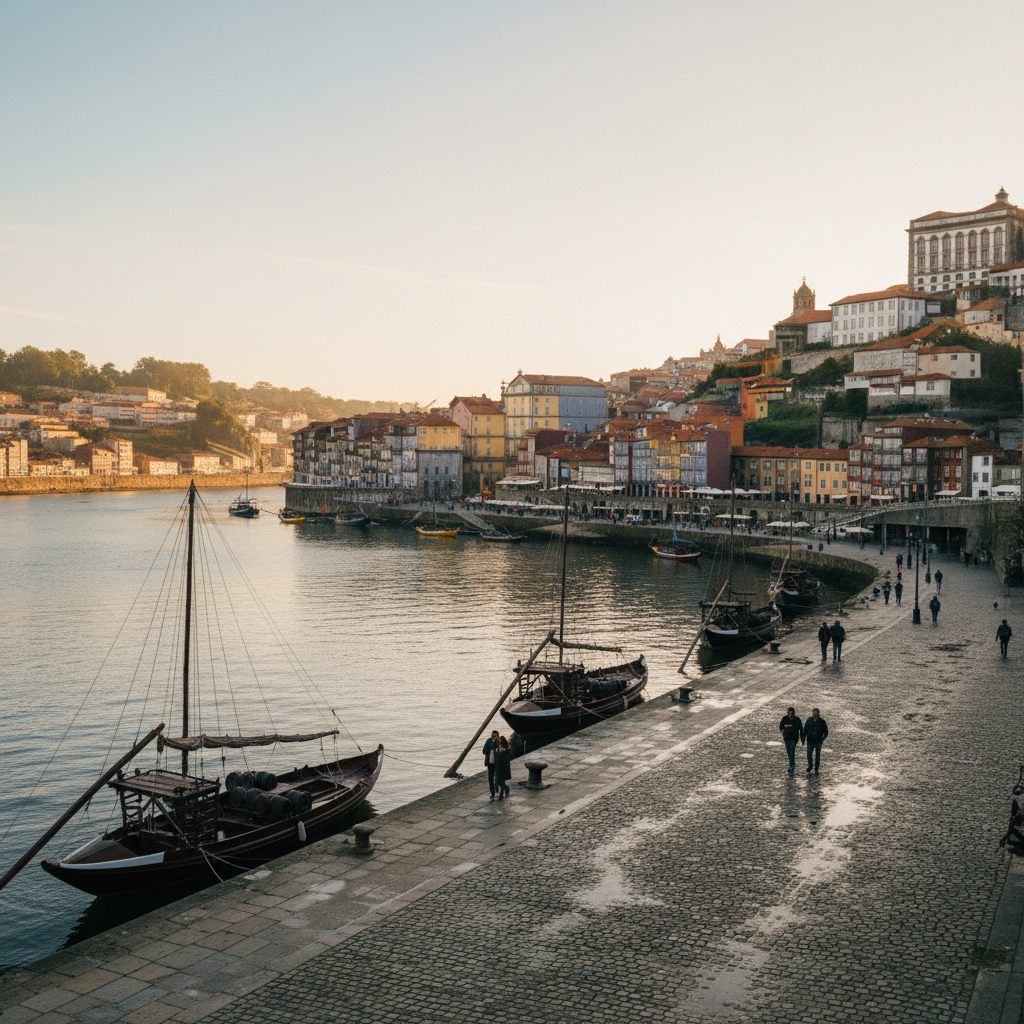
I once ran this test on a competitor in Porto who was undercutting our private river cruises. By mimicking a high-intent customer, I realized their sales team was completely unable to justify their "premium" surcharge. They were selling on price alone. I instructed my team to lean even harder into our storytelling and our specific vintner relationships. We raised our prices by 15% and our conversion rate actually increased because we were the only ones providing a professional, value-based response to inquiries.
The On-Tour Micro-Moment Tracker: Psychological Mapping
Once you’ve booked, the real intelligence gathering begins. If you are sending a staff member or a professional mystery shopper onto a tour in Barcelona, they need a checklist that tracks psychological transition points, not just the quality of the tapas.
The most critical moment of any tour is the first 15 minutes. This is where rapport is built, and it’s where most operators fail. Does the guide use the guests' names? Do they set clear expectations for the day? Do they establish themselves as an authority or just a narrator? We track the "Greeting to First Connection" time. If a guide takes 20 minutes to make a personal connection with the group, they've already lost the "wow" factor.
Next, you must track the "three-hour dip." On a full-day experience—whether it’s hiking in the Algarve or a cultural walk in Seville—energy naturally wanes around the three-hour mark. This is when the adrenaline of the new environment wears off and physical fatigue sets in. How does the competitor handle this? Do they offer a high-energy snack? Do they shift the narrative to something more humorous? Or do they just keep droning on about 16th-century architecture while the guests look for the nearest bench?
When we audited the walking tour market in Lisbon, we found that every major competitor ignored this dip. Guests were visibly exhausted by the time they reached the Alfama district. We redesigned our routes to include a "hidden" curated tasting in a cool, seated courtyard exactly at the 2.5-hour mark. That simple logistical shift, identified through mystery shopping, became our most-mentioned positive point in reviews.
The Post-Experience Revenue Recovery: The 48-Hour Window
The transaction doesn't end when the guide says goodbye at the Praça do Comércio. A business’s true sophistication is revealed in the 48 hours following the experience. This is where the highest-margin revenue is often left on the table.
When you mystery shop, watch their follow-up sequence like a hawk.
- The Review Request: Is it automated and cold, or does it feel personal?
- The Upsell: Do they mention their other products? If I just did a surf lesson in Cascais, do they try to book me for a sunset sail the next evening?
- The Data Capture: Do they try to move me from a transactional customer to a long-term brand follower?
Most operators in our region are incredibly lazy here. They send one automated Tripadvisor link and then disappear. By identifying this gap, we implemented a multi-stage "Return to Iberia" email sequence that provides value—recipe cards for Portuguese Cataplana or a curated list of San Sebastián’s best hidden pintxo bars—long after the guest has gone home. This keeps our brand top-of-mind for referrals, which drive our organic growth.


