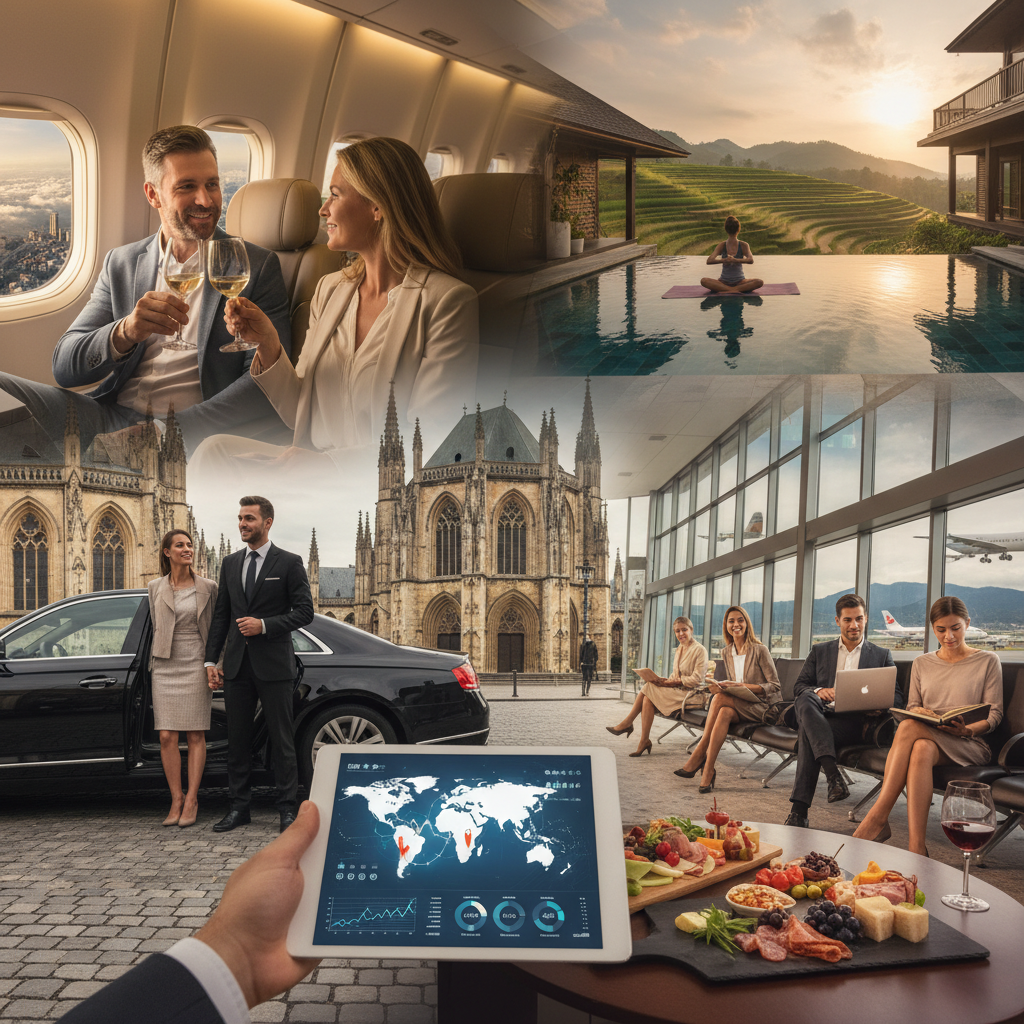

I’ve spent the last decade in the trenches of the tourism industry, helping operators scale from "struggling to fill a van" to generating over $10M in annual revenue. If there is one thing I’ve learned, it’s this: Your biggest competitor isn’t the guy down the street undercutting your price. It's the "friction" your guest feels but never tells you about.
Most operators focus on the "big moments"—the sunset over the Taj Mahal or the adrenaline of a Class IV rapid. But the secret to total market dominance lies in the boring stuff. It’s in the luggage handling, the poorly timed bathroom breaks, and the 15-minute delay in a WhatsApp response.
Today, I’m introducing you to what I call the "Reverse-Feedback Loop." This isn't your standard "read your TripAdvisor reviews" advice. This is about auditing your operations by becoming a professional spy. We are going to operationalize empathy to eliminate mid-trip friction before your guest even feels it.
The 'Foreign Lens' Audit: Why You Need to Be a Secret Shopper
I tell my clients all the time: You are too close to your own business. You’ve walked your tour route 500 times. You know where the loose floorboard is, so you naturally step over it. But your guest doesn’t. They trip on it.
To fix this, you need the "Foreign Lens." You need to book a tour with your direct competitor—or even better, a high-end operator in a completely different niche—and document every micro-interaction.
Specific Metrics to Track
When you’re "undercover," don’t just look at the scenery. Use a scorecard for these three ignored metrics:
- Response Time & Tone (Pre-Trip): How long does it take for them to answer a "dumb" question via email? Is the tone welcoming or transactional?
- Luggage Handling Empathy: This sounds small, but it’s huge. Does the staff treat the guest's bags like sacks of potatoes, or do they handle them with the care of an heirloom? Is the transition from the van to the hotel seamless, or is the guest left standing on the curb holding their own suitcase?
- Guide Non-Verbals: Watch the guide when they aren't talking. Are they checking their phone? Is their body language open? Do they anticipate a guest’s thirst before the guest even asks for water?
When I did this for a luxury safari operator in Kenya, we realized their competitors were winning simply because their drivers held the door open every single time. It cost $0 to implement, but the perceived value skyrocketed.
Identifying 'Invisible Friction' in Your Own House
We all have it. It’s the "micro-hassle." These are the tiny hurdles in your booking flow or tour logistics that you’ve become blind to because "that's just how we've always done it."
Think about your booking flow right now. Do you require a PDF to be signed and scanned? That’s friction. Do guests have to wait more than 3 minutes at a meeting point without a clear sign of who is picking them up? That’s friction.
How to Spot the Micro-Hassle
To identify invisible friction, I use a "Stress Map." I sit down with my team and map out every single physical movement a guest makes from the moment they land at the airport to the moment they check out.
- The "Wait" Check: Where is the guest standing still? If a guest is standing for more than 5 minutes without a drink, a seat, or an explanation, that is an operational failure.
- The "Search" Check: When does the guest have to look for information? If they have to dig through their email to find the "What to pack" list because it wasn't sent 48 hours before departure, you’ve increased their cognitive load.

