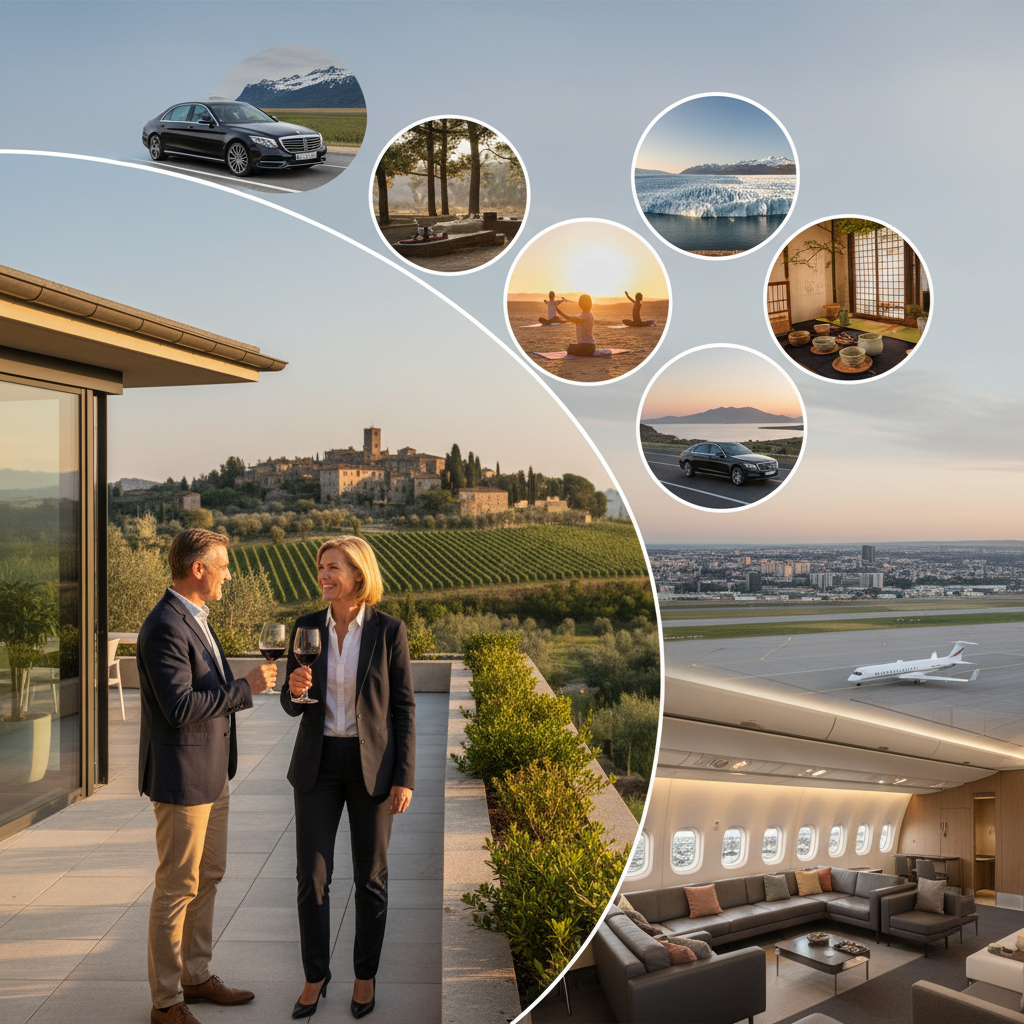
I’ve spent the last decade deep in the trenches of the travel industry, and if there is one thing I’ve learned after scaling my operations to over $10M in revenue, it’s this: The B2C hamster wheel will eventually burn you out.
Most tour operators are stuck in a cycle of chasing $200 day-trippers, fighting for reviews on TripAdvisor, and praying the weather doesn’t tank their quarterly margins. But while the average operator is worrying about a single cancellation, the "Smart Money" in tourism is quietly pivoting.
They aren't just selling tours anymore. They are selling Corporate Retreat Units.
I call this the Revenue Layering Blueprint. It is the exact framework I used to stop trading my time for scraps and start landing $50,000 to $150,000 contracts with US-based tech firms and executive boards.
If you want to move from being a "vacation guide" to a high-margin strategic partner, here is how you build your corporate engine.
1. Asset Auditing: Finding the "Hidden" Retreat in Your Current Portfolio
You don’t need to reinvent your business to enter the B2B market. You just need to audit what you already have through a different lens.
In my early days, I had a luxury wine tour in the Andes. To a tourist, it was "Wine and Cheese with a View." To a CEO, that same asset is "Stakeholder Alignment in a Low-Distraction Environment."
How to audit your assets:
- The "Vibe" Check: Does your tour offer exclusivity? Corporate groups aren't looking for a crowded bus. They need private villas, secluded clearings, or high-end dining rooms where they can speak freely about company secrets.
- The Stress Test: Can your itinerary accommodate a "Working Block"? If you have a 3-hour window in a luxury lodge with high-speed Wi-Fi, you have a corporate asset.
- The Logistics Layer: Do you own (or have a deep partnership with) transport that feels premium? A beat-up van won't cut it, but a fleet of black SUVs is a goldmine.
Actionable Tip: Look at your most expensive B2C tour. Strip away the "touristy" fluff. Is there a core experience there that fosters conversation? That’s your foundation.
2. From Adventure to ROI: The High-Stakes Messaging Shift
The biggest mistake I see operators make is sending a B2C brochure to an HR Director. They don’t care about "breathtaking sunsets" or "local folklore." They care about Retention, Synergy, and ROI.
When you target US-based HR departments or C-Suite executives, your language must pivot from leisure to performance.
- B2C Messaging: "Explore the hidden caves and surf the best waves in Costa Rica!"
- B2B Messaging: "A high-impact executive offsite designed to facilitate strategic planning and reduce senior leadership burnout through curated physical challenges and neural-reset environments."
See the difference? One sounds like a vacation. The other sounds like a business investment. Total annual turnover for a US tech company can cost millions; if your retreat prevents one VP from quitting, your $80k price tag is a bargain.
3. Packaging for Profit: The Art of "Revenue Layering"
This is where the $10M blueprint comes to life. In B2C, your margins are thin because people price-shop. In B2B, the client wants a "Single Point of Contact." They want to write one check and have all their problems disappear.
Revenue Layering means you take your core tour and stack services on top of it:
- The Core Experience: The hiking, the wine tasting, the boat trip.
- The Logistics Layer: Airport meet-and-greets, security detail, private charters. (Markup: 15-20%).
- The Professional Layer: Hiring a facilitator or a keynote speaker to join the group. You book the talent, you keep a premium.
- The Brand Layer: Custom-branded gear (YETI coolers with their logo, high-end jackets), professional videographers to document the "team wins."
When I layered these services, my average transaction value jumped 400%. The client isn't paying for a tour; they are paying for the management of their corporate culture.


