
I remember the exact moment my perspective on tour marketing shifted. It wasn't during a high-level masterclass or while scrolling through Google Analytics. It was standing on a pier in the Galapagos, watching a group of travelers step off a boat.
They weren't just happy to be there; they were physically vibrating with excitement. They had been "on" this trip in their minds for six months. The booking was just a formality—a transaction that happened long ago. The real journey started the moment they landed on the website.
Most tour operators make a fatal $10M mistake: they focus 100% of their energy on the conversion—the "Buy Now" button. But in the high-ticket world (tours ranging from $3k to $15k per head), people don't buy a product. They buy a mental movie of themselves in a different reality.
If you want to scale past the seven-figure mark, you have to stop marketing the sale and start marketing the Wait. Welcome to the "Psychological Pivot" landing page—where we use anticipation loops to make your price point irrelevant.
The Concept of Anticipation Marketing: Creating the Mental Deposit
When someone considers a high-ticket tour, they are actually fighting a battle between two forces: the desire for the experience and the "buyer’s remorse" that happens before they’ve even spent a dime.
Anticipation Marketing is the strategic process of closing that gap. It’s about leveraging the Dopamine Loop. Neuroscience tells us that the human brain often derives more pleasure from the anticipation of a reward than the reward itself. By designing your landing page to trigger "anticipation loops," you aren't just selling a tour; you’re starting the vacation the second they hit your URL.
When you market the wait, you aren't asking for money; you’re inviting them into a story where they are already the protagonist.
1. Bridging the 'Experience Gap' with Sensory Storytelling
The "Experience Gap" is that cold, clinical space between a customer discovering your brand and actually pulling out their credit card. Most operators fill this gap with dry lists of inclusions: "Professional guide, 3 nights hotel, breakfast included."
That’s not marketing; that’s an inventory list. To bridge the gap, you need Sensory Storytelling.
On a high-converting landing page, I don’t want to read that the coffee in the highlands of Colombia is "fresh." I want to feel the steam on my face in the cool morning air and hear the crunch of the dried beans under the farmer’s shoe.
Actionable Tip: Audit your copy. Replace every adjective with a verb or a sensory detail. Instead of "Beautiful views," use "Watch the sun dip below the horizon, painting the limestone cliffs in hues of violet and burnt orange." You are building a mental bridge that makes the trip feel inevitable.
2. Visual UX: Replacing Galleries with 'Day-in-the-Life' Timelines
The generic image gallery is dead. If your website has a slider of 10 random high-res photos, you’re losing money. Why? Because it lacks a narrative. It doesn't help the brain visualize the flow of time.
To trigger that dopamine hit, we use Interactive Timelines.
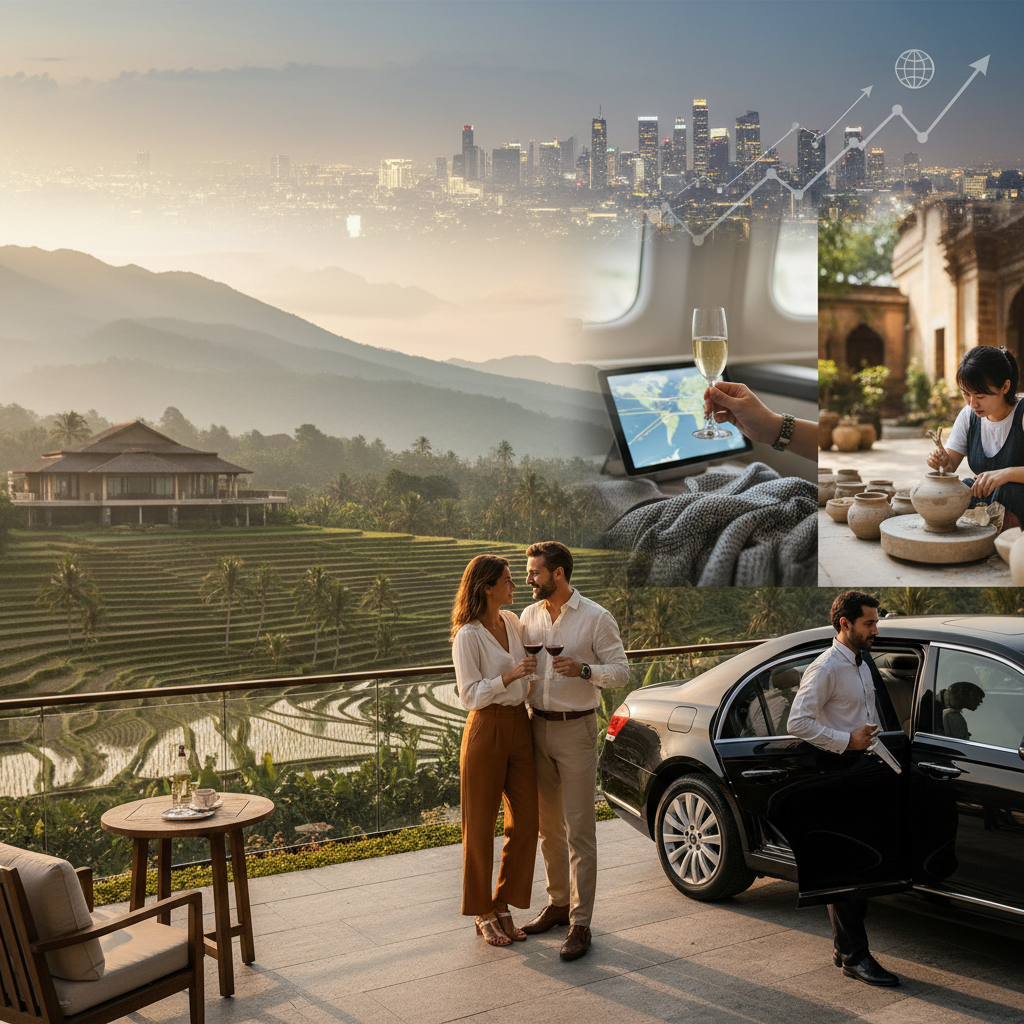
Instead of a "Photos" tab, create a vertical "Day-in-the-Life" scroll. As the user scrolls, they should see:
- 08:00 AM: The crisp white linens of the boutique hotel and the smell of jasmine.
- 12:00 PM: A candid shot of a previous guest laughing with a local artisan, not a staged stock photo.
- 07:00 PM: The soft glow of a campfire under a canopy of stars.
This mimics the chronological experience of the tour. The interactive nature—scrolling through time—creates a psychological sense of "ownership" over the itinerary. By the time they reach the bottom of the page, they’ve already lived a day of the trip. The booking button then becomes the only way to make that memory real.

