The 'Platform-Free' Direct Booking Engine: Migrating $250k+ in Annual Revenue from OTAs to Your Own CRM and Merchant Stack
Stop paying the 25% 'OTA Tax' and reclaim guest ownership with an instant-confirmation architecture and direct merchant control.
The platform-dependent operator isn't a business owner; they are a high-risk contractor for a Silicon Valley aggregator. Across my portfolio in Portugal and Spain, where we have processed over €10M in aggregated revenue, I’ve learned that the true cost of an OTA booking isn't the 25% commission—it is the systematic erosion of your brand and the total confiscation of your customer data.
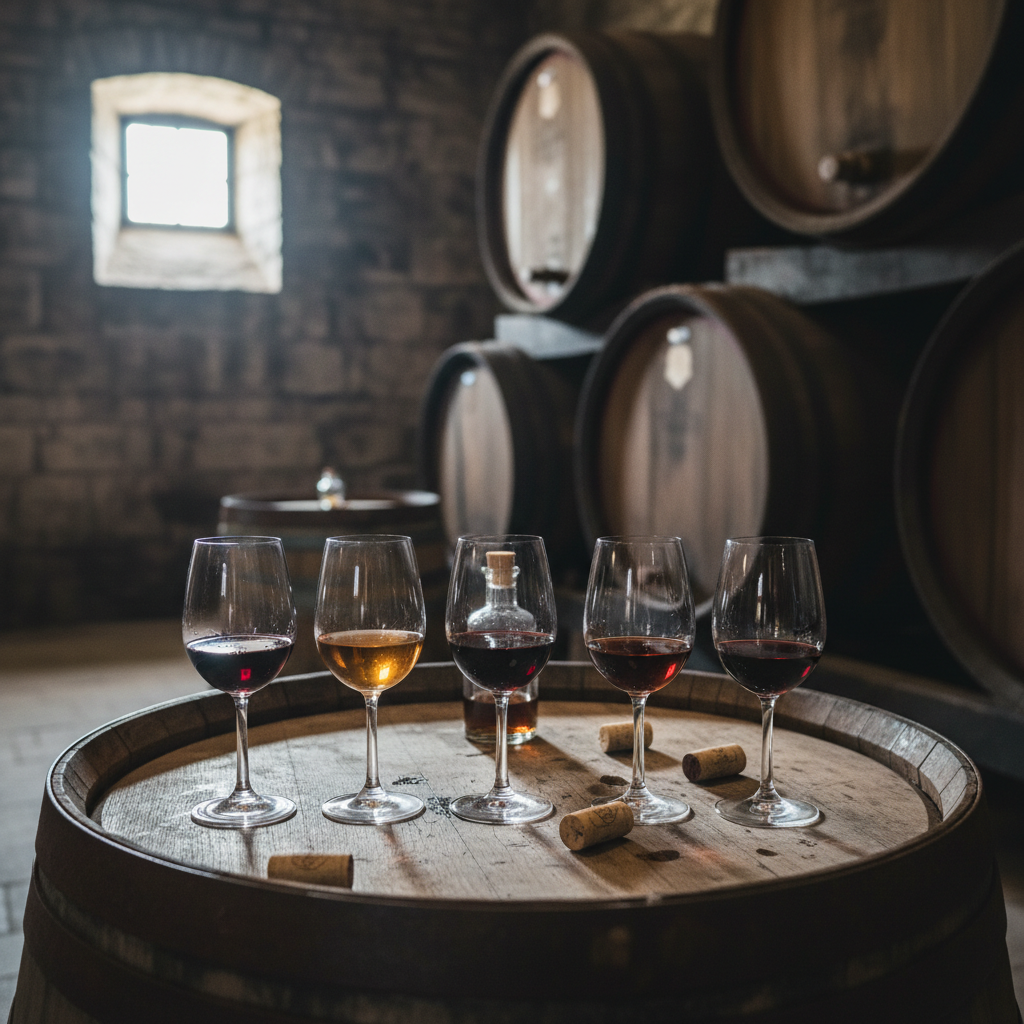
When you allow a third party to sit between you and a guest booking a private wine tour in the Douro Valley or a sailing charter in Cascais, you are paying them to acquire a customer they will keep forever. You get the operational headache; they get the lifetime value. If you are doing €250k or more in annual revenue, staying on the OTA-first model is leaving mid-six figures on the table over a three-year horizon. This is how we move that volume to a proprietary, platform-free stack.
The High Cost of Guest Anonymity
The "OTA Tax" is a double-sided blade. We all feel the immediate 20-30% haircut on the gross booking value, but the deeper wound is the loss of the pre-arrival relationship. When a guest from New York or London books a high-end experience through an aggregator, their email is masked. You cannot offer them a private airport transfer from Portela, you cannot suggest a coordinated dinner reservation at a fado house in Alfama, and you certainly cannot remarket to them when they plan their next trip to Lisbon or Seville.
In my experience operating across Lisbon and Porto, the data ownership alone accounts for a 15-20% difference in total trip spend. By owning the merchant record, you become the trusted advisor, not just the "tour guide." Transitioning €250k in revenue to your own stack means you stop being a commodity. You start charging 100% in advance through your own Stripe or Adyen gateway, which fundamentally changes your cash flow.
When we shifted one of our premium Lisbon-based products away from platform-controlled payments, our "no-show" rate plummeted from 4% to nearly zero. Guests who pay a direct merchant are psychologically more committed to the experience than those who treat an OTA booking like an easily cancellable dinner reservation.
The 'Instant-Confirmation' Architecture
The biggest mistake I see operators make when trying to go direct is replacing their "Book Now" buttons with "Inquiry Forms." High-intent travelers, particularly the North American demographic looking for private heritage tours in Évora or wellness retreats in the Algarve, have zero patience for the "we will get back to you in 24 hours" model.
If your website acts like a digital brochure rather than a transactional engine, users will bounce back to Google and find your listing on Viator because it offers instant confirmation. To compete, you must implement a headless or integrated booking engine that manages real-time availability across all channels.
When we implemented 24/7 real-time availability for our Douro Valley experiences, our bounce rate dropped by 42%. People don't want to chat; they want to secure their Tuesday at 10:00 AM.
Tactically, this means: 1. Eliminating the "Request a Quote" button for standardized private tours. 2. Mapping your inventory so that if a van is booked for a Sintra excursion, that vehicle is instantly removed from your Porto-to-Lisbon transfer availability. 3. Placing the "Book Now" CTA above the fold on mobile, as over 65% of our direct traffic comes from travelers already on the ground in Spain or Portugal.
The Pre-Arrival CRM Sequence
Once the booking is in your own system—not the OTA’s—the real revenue generation begins. We use a standardized "Pre-Arrival Sequence" that triggers 48 hours after the booking is confirmed. This isn't just a "thank you" note; it is a sophisticated upsell funnel.
For example, a guest who books a half-day walking tour in Lisbon is a prime candidate for a day trip to Sintra or a private logistics package. Because we own the email address, we send a curated series of touchpoints.
- Email 1 (Confirmation + Value Add): A PDF guide to the best local tapas spots in the neighborhood where their tour starts. No sales pitch, just building authority.
- Email 2 (The Upgrade): A "limited availability" offer to upgrade their standard vehicle to a premium luxury car or to add a professional photographer to their Sintra itinerary for a flat fee.
- Email 3 (Logistics): A prompt to book airport transfers. We found that 12% of our direct tour guests will book a transfer if prompted 7 days before arrival.
Reallocating the PPC Spend
Most operators are bidding on their own brand name because OTAs are hijacking their traffic. If you search for your brand and see Viator or GetYourGuide in the top slot, you are paying a commission to buy back your own customers.
We took a Lisbon-based operation and redirected €15k in monthly PPC spend away from brand-heavy keywords toward long-tail, high-intent SEO terms like "Private Jewish Heritage Tour Portugal" or "Luxury Wine Tasting Douro."
By focusing on the specific "Long-Tail" rather than the generic "Lisbon Tours," we attracted a higher-tier clientele that wasn't price-shopping. The result was a 12% increase in EBITDA within eight months. We weren't just getting more bookings; we were getting better bookings that didn't cost us 25% off the top.
Your 5-Step Friction Audit
To reclaim your guest ownership and move that €250k+ to your own ledger, you must audit your digital presence for "booking friction." If it is harder to book on your site than it is on an OTA, you will lose every time.
1. The Mobile Payment Test: Open your site on an iPhone. Can you book a tour using Apple Pay or a saved credit card in under three clicks? If you require a manual address entry and 5 form fields, you are losing 20-30% of your conversions. 2. Merchant Control: Are you using a third-party payment processor that holds your funds for 30 days? Switch to a direct Stripe or Adyen integration where you get paid within 2 business days of the transaction. 3. Availability Parity: Ensure your website has the most availability, not the same as the OTAs. Give your direct site a 15-minute "head start" or exclusive morning slots that aren't pushed to the aggregators. 4. The "Shadow" Remarketing: Implement a Meta pixel and Google Tag on your booking checkout page. If someone starts a booking for a San Sebastián food tour but doesn't finish, serve them an ad with a 5% "Direct Booking" discount 6 hours later. 5. Post-Tour Automation: Set up an automated sequence that asks for a Google Review (not a TripAdvisor review) 24 hours after the tour ends. This builds your own SEO moat, making it harder for OTAs to outrank you.
Moving away from the "OTA drug" is uncomfortable because it requires you to be a marketer, not just a guide. But the math is undeniable. On a €250k annual run rate, moving 90% to direct bookings saves you €50k-€60k in commissions alone—not counting the increased lifetime value of those guests.
In the Iberian market, the competition is getting tighter. Those who own their data and their merchant stack will be the ones who scale to €2M and beyond. Those who remain "contractors" for the platforms will find their margins squeezed until there's nothing left.