Over the last decade, I’ve helped tour operators scale from “van-and-a-dream” operations to $10M+ powerhouses. For years, the mantra was always: automate everything. We wanted slick apps, instant push notifications, and AI chatbots that could handle a booking at 3 AM.
But lately, something has shifted.
I’m seeing it in the data and hearing it in the feedback loops of my highest-spending clients. The $20,000-per-head traveler—the one we all want—is hitting a wall. They are exhausted by "frictionless" technology. They are tired of QR code menus, automated check-in sequences, and "personalized" emails that clearly came from a CRM template.
In 2025, luxury isn’t an app that works; it’s a human who listens. Welcome to the era of the Invisible Concierge. This isn’t about going backward; it’s about moving forward with intention. Here is how I’m helping my partners swap digital noise for human-first micro-moments to drive record-breaking revenue.
1. The Saturation Point: Why "Slick" is Starting to Look Cheap
We used to think a custom app for a tour was the ultimate flex. Now? It’s a chore.
When a high-net-worth individual spends $20k+ on a trip, they aren't paying for convenience—they can get that on Amazon. They are paying for an escape from the "System." If your guest has to download another app and manage another set of notifications just to find out what time their private chef arrives, you haven’t provided a service; you’ve given them a job.
In my experience, "slick" tech is increasingly perceived as low-value because it scales too easily. If everyone can do it with a $49/month SaaS subscription, it’s no longer luxury. The ultra-wealthy are craving Analog Luxury. They want the security of knowing a professional is orchestrating their world in the background—the "Invisible Concierge"—without them having to stare at a blue-light screen to prove it’s happening.
2. Operationalizing "Slow High-Touch" in a Fast World
You might be thinking, "Gonzalo, how do I go back to manual touches without my overhead exploding?"
You don't go back to manual; you automate the trigger, but you keep the execution physical. I call this Operationalizing Sincerity. Your $10M automated workflow should still be running the backend (the bookings, the waivers, the logistics), but the output should look and feel handcrafted.
The Power of the Physical Touchpoint
In 2025, a handwritten note is worth more than a $500 Google Ads spend. Why? Because you can’t "Ghostwriter AI" your way into the heart of a guest who sees through the BS.
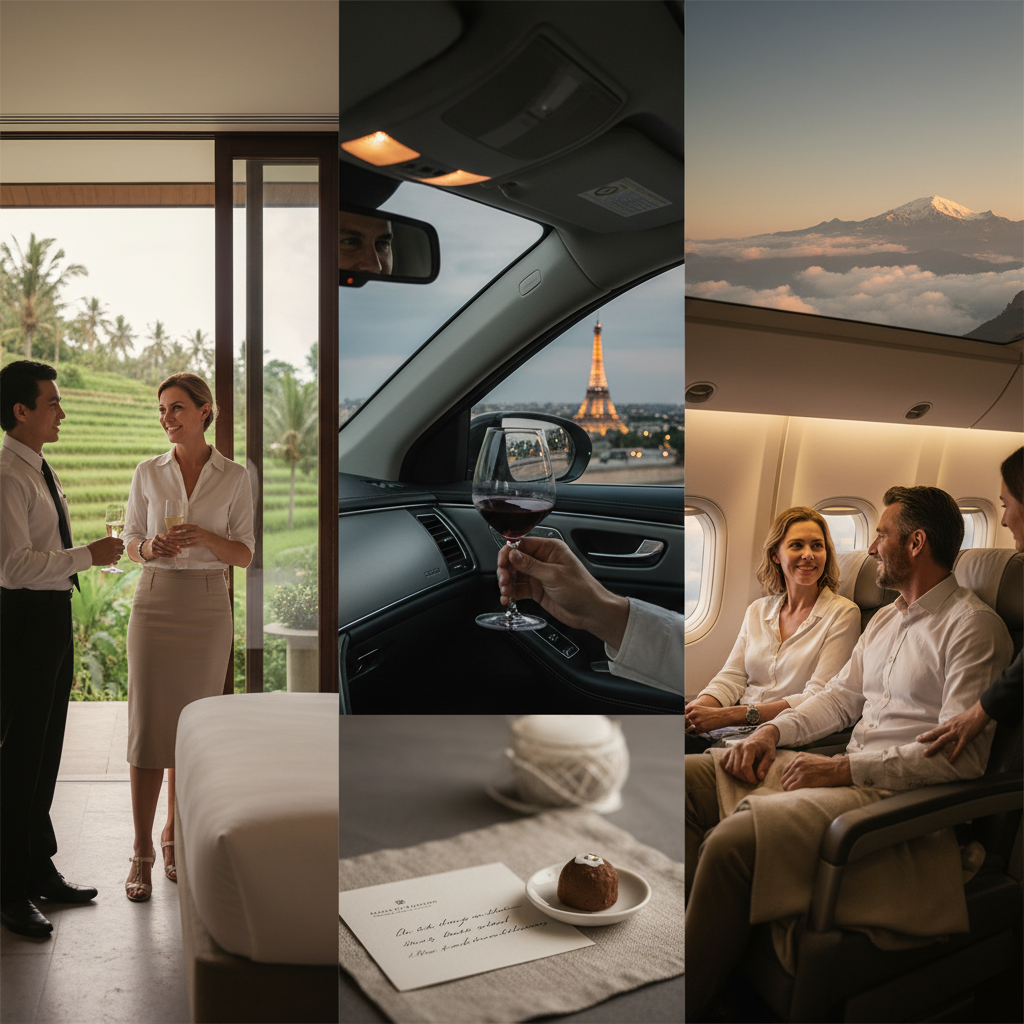
- Localized Welcome Gifts (No Plastic): Stop giving away branded water bottles. I tell my operators to partner with a local artisan—someone who makes honey, weaves textiles, or roasts coffee—and provide a small, unbranded gift with a card explaining the artisan’s story.
- The "Unscripted" Buffer: We’ve spent years training guides to stick to the script to ensure "quality." That’s a mistake. I now train guides to look for the "Gap." If a guest mentions they love a specific obscure type of jazz, the guide should have the agency (and a small budget) to detour to a local record shop or find a live venue that night. That’s the micro-moment that sparks a $100k referral.
3. The "Analog Luxury" Upsell: Physical Mailers in a Digital Age
One of the biggest leaks in the high-ticket sales funnel is Buyer’s Remorse. When someone drops $30,000 on a multi-day expedition, there is a massive gap of "psychological anxiety" between the moment they hit "Pay" and the moment they arrive.
Most operators fill this gap with automated emails. Don't do that.
Leverage Pre-Trip Physical Mailers. About three weeks before the trip, my top-performing clients send a physical "Discovery Box." It might include a high-quality topographical map of the route, a physical leather luggage tag, and a printed itinerary on heavy cardstock.
This does two things:
- Increases Perceived Value: It justifies the premium price point before the guest even leaves their house.
- Viral Potential: Guests take photos of these beautiful physical objects and post them on social media. You’ve just turned a transactional confirmation into a marketing event.


