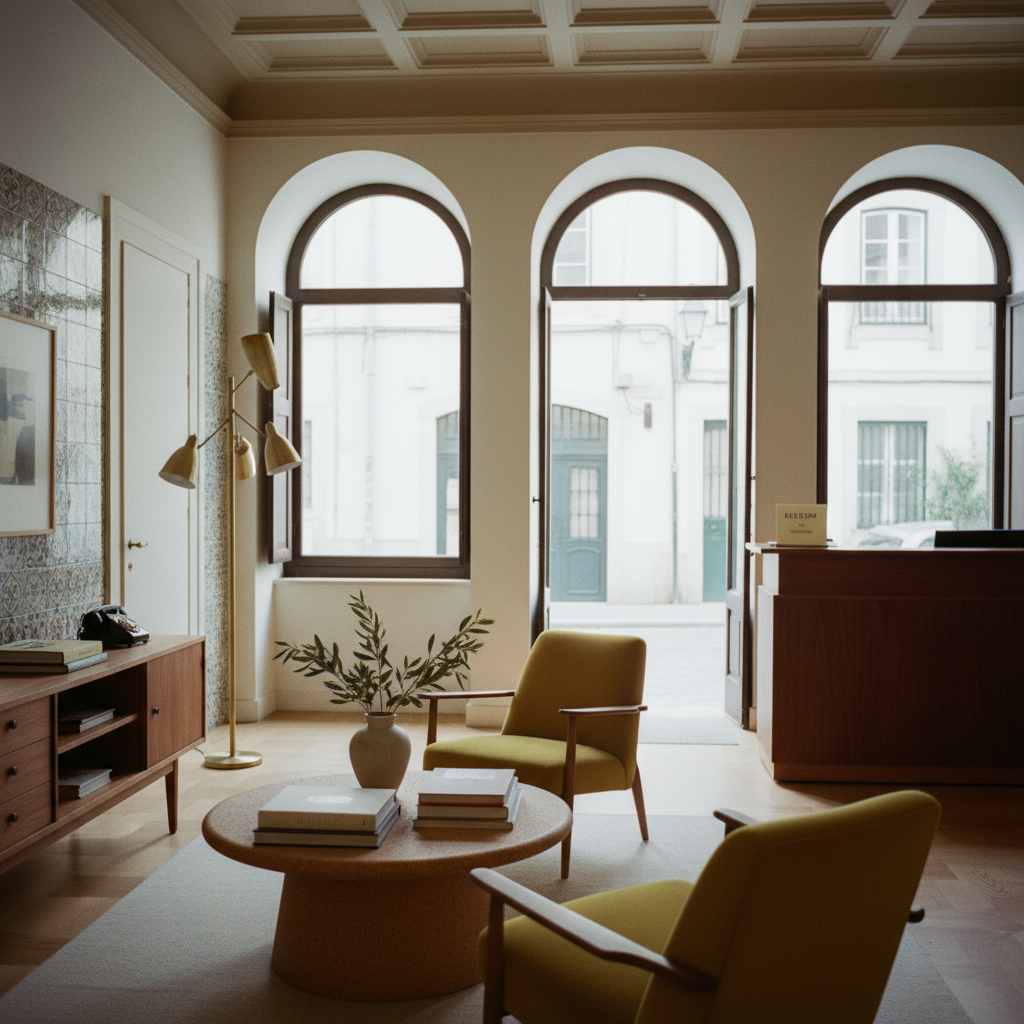

If you are relying solely on OTAs to fill your calendar in 2026, you are leaving your most profitable margins on the table and outsourcing your brand equity to a third-party algorithm. The highest-quality, highest-margin guests don't find you through a generic search engine; they find you because a trusted human at a five-star property in Lisbon or Seville told them you were the best.
Building a concierge network is not about "dropping off brochures." It is about engineering a B2B ecosystem where the hotel staff views you as a risk-mitigation tool for their own reputation. When a guest at a luxury property in the Algarve asks for a private boat charter or a guided trek in Sintra, the concierge isn't just looking for a tour; they are looking for a guarantee that the guest won't return to the lobby to complain.
How to calculate the profitability of hotel partnerships
Most operators balk at a 20% concierge commission, yet they happily pay 25% to an OTA while spending an additional 5-10% of their revenue on digital ads and software fees just to get the guest to the checkout page. You must look at the "fully loaded" cost of acquisition.
Let’s look at the arithmetic of a typical private day trip in my business in Portugal. If I sell a private Évora wine tour for €800 through a major OTA, the 25% commission takes €200 immediately. I am left with €600, out of which I still have to pay for the vehicle, the fuel, the guide, and the wine tastings. My net margin is squeezed before the tour even begins.
Conversely, if a concierge at a high-end Lisbon hotel books that same €800 tour for a 20% commission, I pay €160. But the hidden value is in the lead quality. A concierge-referred guest is statistically 40% more likely to book a second day or a transfer, and their lifetime value (LTV) is higher because they trust the "vetted" recommendation. In 2026, the data shows that concierge leads convert at nearly 90% because the "sale" has already been made by the desk staff before the lead ever reaches your WhatsApp.
Furthermore, OTAs own the guest data. When you partner with a hotel, you own the relationship. You can remarket to that guest for their next trip to Porto or Madeira without paying a second acquisition fee. The 20% you pay the concierge is a "success fee" for a pre-qualified, high-intent lead that requires zero ad spend.
How to pitch different types of hotel staff
In 2026, the "concierge" is not a monolith. You must tailor your approach based on the specific persona you are pitching, as their incentives and gatekeeping styles differ significantly.
The Les Clefs d’Or Professional: These are the gold-key professionals in luxury hubs like Madrid or Barcelona. They are not motivated by a €20 kickback. They are motivated by status, exclusivity, and the ability to offer something no one else can. When pitching them, do not lead with commission. Lead with "Internal Only" access. Offer them a specific itinerary that isn't listed on your website—a "Secret Sintra" sunrise tour or a private meeting with a vineyard owner in the Douro Valley. Your goal is to make the concierge look like a hero to their guest.
The Boutique Hotel Manager: In smaller, high-end properties—think boutique hotels in Comporta or the Santa Cruz neighborhood of Seville—the person booking tours is often the General Manager or a cross-trained front desk agent. They are overwhelmed. Your pitch to them is "Seamless Logistics." You aren't selling a tour; you are selling the fact that you will handle everything from the pickup to the dietary restrictions without the hotel having to lift a finger.
The Lifestyle Concierge: This is the modern, remote-work friendly version found in high-end apartments or "membership" clubs. They are tech-heavy. They don't want a phone call; they want a dedicated booking link or a specific QR code that tracks their commission automatically.
A checklist for professional outreach and collateral
Even in a digital-first 2026, physical cues matter in a hotel lobby. If a guest is standing at the desk, the concierge needs a visual aid to facilitate the conversation. However, the days of cheap, flimsy flyers are over.
- High-End Rack Cards: Use thick, 400gsm matte cardstock with spot UV or foil accents. In my Lisbon operations, we use minimalist designs that look like art, not an advertisement. It should be something the guest wants to put in their leather folio, not throw in the trash.
- The "Direct Line" Protocol: Give the desk a dedicated WhatsApp Business number that bypasses your general customer service queue. When a concierge from a top-tier property texts, they should get a response in under three minutes. This "VIP Line" is your most valuable B2B asset.
- The FAM Trip Protocol: You must host the staff, but you must do it strategically. Do not give away free tours to everyone. Create a "Staff Experience Month" during your shoulder season (e.g., November in Portugal). Require the staff to provide their work ID and a brief write-up of why they want to experience the tour. When they are on the tour, treat them exactly like a €1,000-a-day guest. They cannot sell what they haven't felt.
- Digital Assets Folder: Provide a shared Google Drive or Dropbox link containing high-res photos and 15-second vertical videos of your tours. Concierges often text these photos directly to guests to "close the deal."

