I’ve spent the last decade obsessed with a single number: revenue velocity. In my journey to generating over $10M for tour operators, I learned early on that you can only spend so much on Google Ads before your margins start to bleed.
The secret to scaling isn’t just finding new guests; it’s making sure the ones you have never want to leave. But if you’re looking at your direct competitors to learn about retention, you’re already behind. Your competitors are doing the same tired "follow-up email" and "10% discount code."
To truly dominate, we need to look at the masters of the high-stakes, high-touch experience: Michelin-star restaurants.
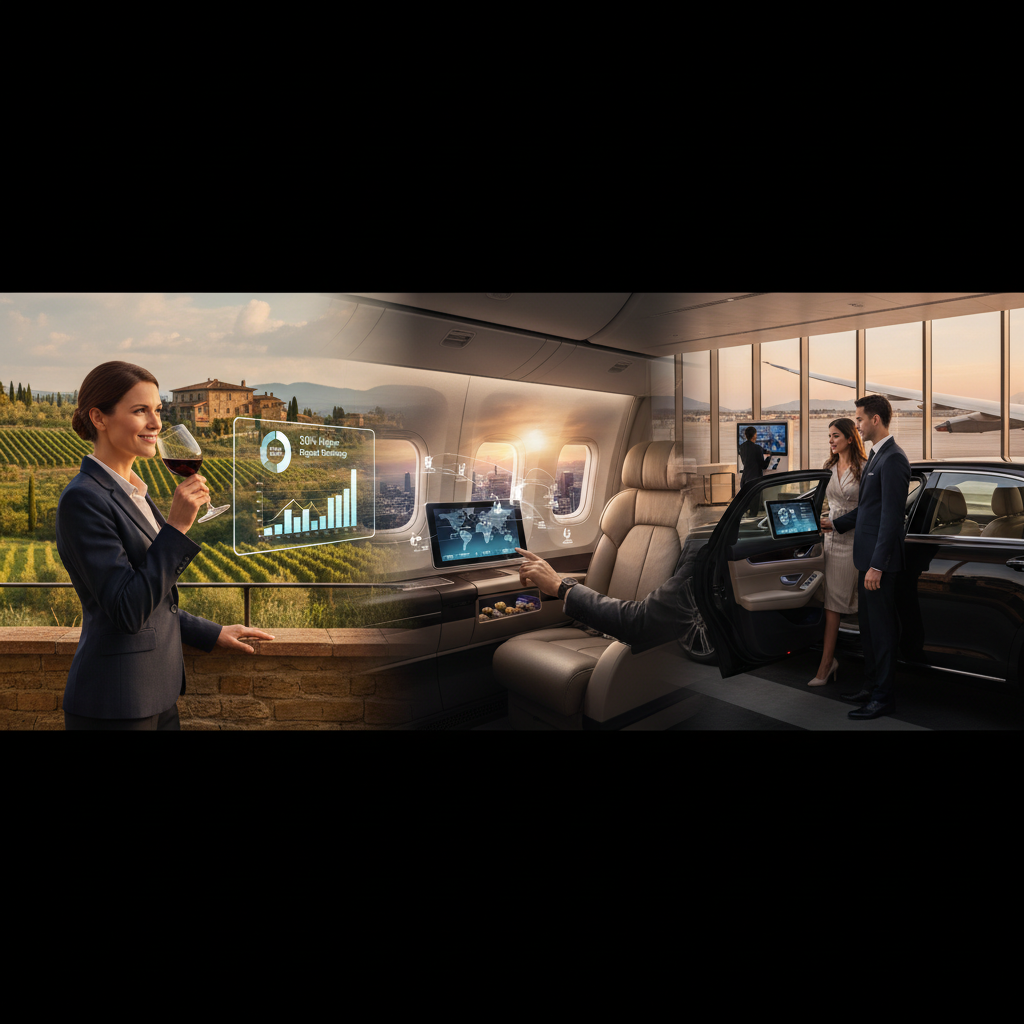
In a world of automated bots, the "Hospit-Tech" hybrid is the bridge between cold efficiency and soulful service. Today, I’m going to show you how to borrow the systems used in the world’s elite dining rooms to secure 50% higher repeat bookings and turn your tour company into a legacy brand.
1. The 'Table 19' Rule: Predicting Desires Before They’re Spoken
In the world’s best restaurants, there is no "Table 19." It’s actually a code for a VIP, a regular, or someone celebrating a milestone who requires "anticipatory service."
Most tour operators wait for the guest to arrive to start the service. That’s a mistake. The experience starts the moment the credit card is swiped. To scale to seven and eight figures, you must implement the Table 19 Rule via your CRM.
How to implement it: Don't just ask for dietary requirements. Use your pre-trip survey to ask one "Emotional North Star" question: "What is the one thing that would make this trip a personal success for you?"
If a guest says "getting a photo without crowds," your guide shouldn't just know their name; they should have a strategy to pivot the itinerary by 15 minutes to beat the tour bus. When you solve a problem the guest didn't even know they had, you aren't just a tour operator—you're a magician.
2. The Digital 'Amuse-Bouche': Value Without the Price Tag
A Michelin-star chef doesn't wait for you to order your entrée to show off. They send out an amuse-bouche—a tiny, unexpected gift from the kitchen to "amuse the mouth."
In the "Hospit-Tech" model, we use a Digital Amuse-Bouche 48 hours before arrival. This is the critical window where "traveler's anxiety" kicks in. Most operators send a boring confirmation PDF. You? You are going to send value.
Actionable ‘Amuse-Bouche’ ideas:
- The "Local's Only" Playlist: A curated Spotify list of songs from your destination to set the mood while they pack.
- The Secret Map: A custom Google Map link with three "un-Googleable" coffee shops or photo spots near their hotel.
- The "Skip the Line" Hack: A quick 30-second video from their guide explaining the best way to navigate the airport or terminal.
This costs you $0, but it signals to the guest that they are in expert hands. It builds trust before the first "hello."
3. Applying 'The Transfer of Energy': The Art of the Mood Reset
I’ve seen $5,000 tours ruined because a guest’s flight was delayed or their luggage was lost. They arrive at the meeting point radiating stress. Most guides ignore this and jump straight into their script.
Michelin-star front-of-house managers use a technique called the Transfer of Energy. They recognize that the guest's external world is chaotic, and it is the staff’s job to be the "grounding wire."
The Technique: If a guest arrives stressed, your guide needs to halt the "educational" talk and focus on "somatic comfort." This means:
- Physical grounding (offering a cold towel or a seat immediately).
- Active listening without trying to "fix" the airline's mistake.
- A deliberate drop in vocal tempo and pitch.
Transitioning a guest from "survival mode" to "vacation mode" in the first 10 minutes is the difference between a 3-star review and a lifetime referral. Teach your guides that they are not just "information dispensers"—they are energy managers.


