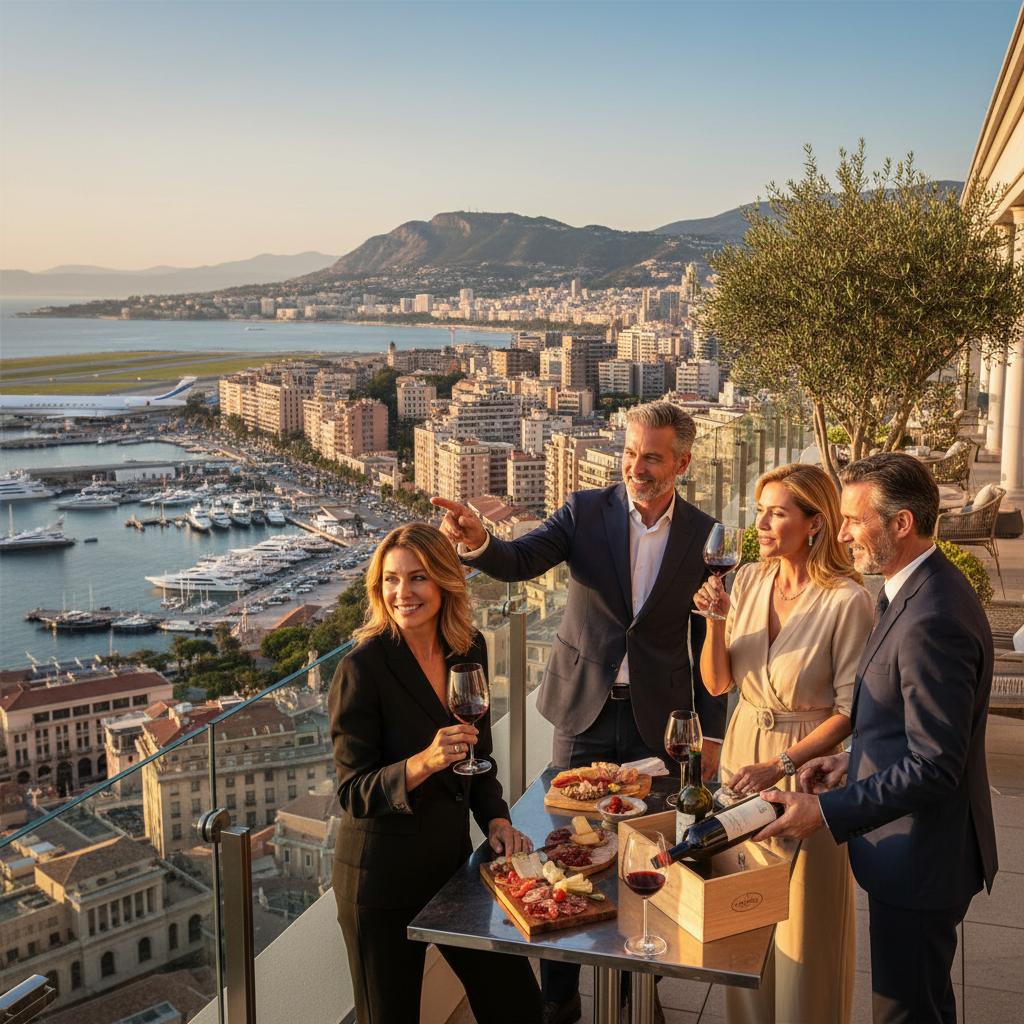
I’ve spent the last decade in the trenches of the high-end travel market, moving over $10M in bookings for boutique operators. If there is one thing I’ve learned, it’s this: a billionaire and a backpacker might both be looking for a trip to Peru, but the way they search for it belongs to two different universes.
Most tour operators are trapped in a "race to the bottom." They optimize for massive search volume, high-traffic keywords, and broad appeal. But if you are chasing $20,000+ bookings, high traffic is actually your enemy. You don’t need 10,000 clicks; you need 10 of the right clicks.
Today, I’m pulling back the curtain on what I call the "High-Net-Worth (HNW) Meta-Tag Strategy." This isn't just about tweaking title tags; it’s about re-engineering your entire website architecture to attract the "Quiet Luxury" traveler from the US.
1. Decoding the Lexicon of the US Affluent Traveler
The first mistake I see operators make is using "luxury" as their primary keyword. In the US market, the word "luxury" has been diluted. It’s used by everyone from 4-star Marriott hotels to budget cruise lines.
To reach the Ultra-High-Net-Worth (UHNW) individual, you have to transition from descriptive adjectives to functional exclusives.
Stop using "Group Tours," Start using "Private Buyouts"
An affluent family from Greenwich, CT, or Menlo Park isn't looking for a "private tour." They are looking for a "private villa buyout" or an "exclusive estate takeover."
When researching, their search intent shifts toward:
- Sequestration & Privacy: Keywords like "VIP arrival service," "private tarmac transfers," or "discreet entry."
- Access over Assets: They don't just want a museum tour; they want "after-hours access" or "meeting with the lead archeologist."
- Logistics over Price: Phrases like "inter-island charter flights" or "multi-generational logistics" signal that the searcher is solving a complexity problem, not a budget problem.
Actionable Tip: Audit your top 10 landing pages. Replace "best prices" with "unrivaled access." Replace "all-inclusive" (which smells like a cheap resort to a HNW individual) with "fully sequestered" or "highly curated."
2. Structuring Landing Pages for High-Trust Signals
For a client spending $50,000 on a two-week trip, your website isn’t just a brochure—it’s a security audit. If your site looks like a template from 2015, you’ve lost the booking before they even read the itinerary.
The "Security and Discretion" Protocol
High-net-worth individuals often have significant security concerns. I’ve found that including a dedicated (yet subtle) section on Security Protocols can increase conversion rates for $20k+ bookings by 30%.
Mention your experience with:
- NDA Management: "We provide white-labeled documentation and strict non-disclosure agreements for all staff."
- Medical Contingencies: Mentioning specific medical evacuation partnerships or private physician access.
- Vetted Suppliers: Don't just say you use "the best hotels." Say you use "vetted properties with secondary security perimeters."
White-Labeled Documentation
UHNW clients often book through family offices or private assistants. Your website should offer "Downloadable PDF Itineraries" that are unbranded or minimally branded. This allows the assistant to present the plan to the principal without it looking like a generic sales pitch.
3. The "Negative Keyword" Strategy for Organic Content
In Google Ads, we use negative keywords to stop our ads from showing for "cheap" or "free." In organic SEO, we do this through contextual filtering.
Most SEOs tell you to write "The 10 Best Things to Do in Rome." That is a magnet for budget travelers. Instead, I want you to write: "The Logistical Realities of Private Yacht Berthing in Amalfi."
By getting hyper-specific about high-cost logistics, you naturally repel the "DIY" traveler. You are essentially building a digital "velvet rope."
How to use "Anti-Budget" Language:
- Focus on the ‘Who,’ not the ‘What’: Instead of "How to visit the Louvre," write "Navigating the Louvre with a Private Curator: Why Public Hours are a Mistake."
- Price Anchoring: Mention price points early. "Our curated expeditions begin at $2,500 per person, per day." This immediately filters out 95% of the noise, ensuring your sales team only speaks to qualified leads.


