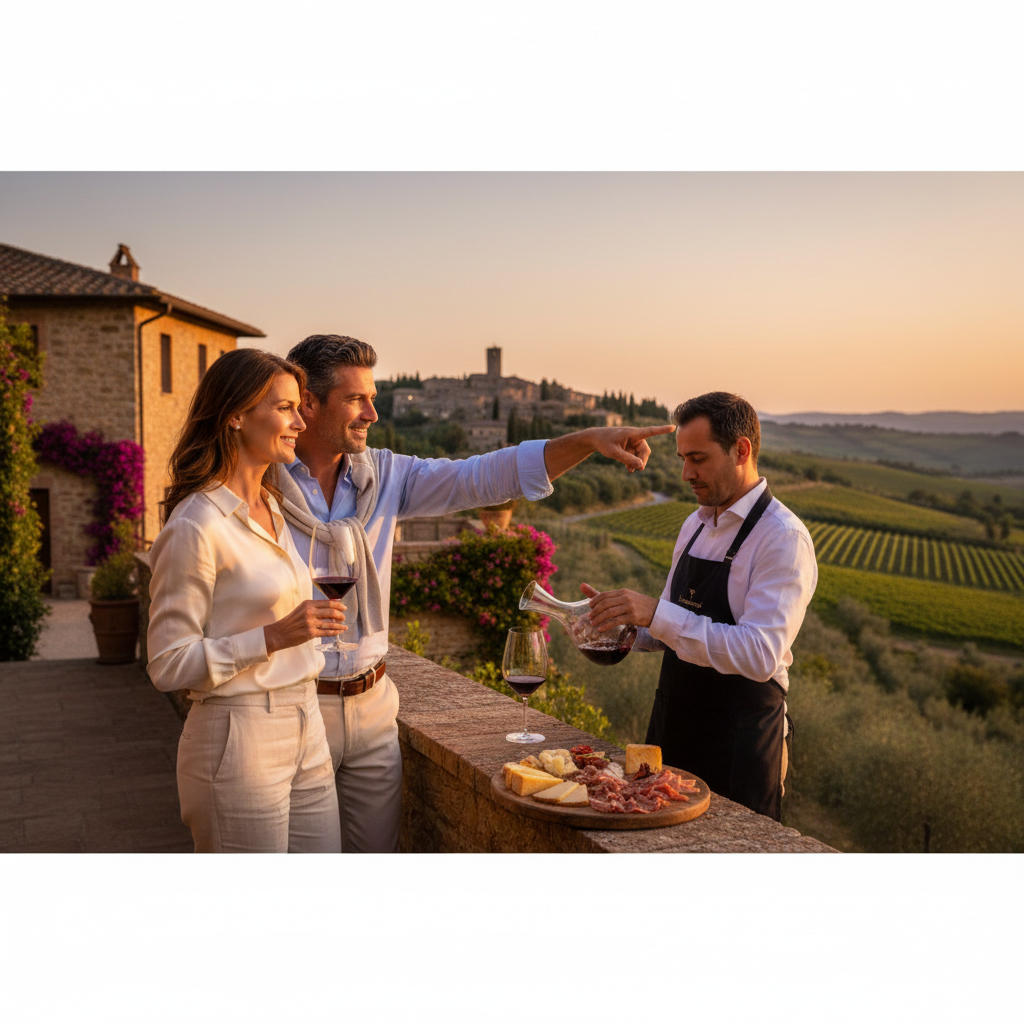
I’ve seen too many tour operators leave six figures on the table every year because they think the transaction ends when the deposit hits the bank.
In my years scaling tour companies to $10M+ in revenue, I discovered a psychological quirk about high-net-worth (HNW) travelers: The "Logistics Fog."
When a wealthy American client is booking a $15,000 trip, their brain is cluttered. They are worried about dates, flight connections, and whether the hotel has a gym. They are in "buying mode," but they are also in "stress mode."
The magic happens in the "Quiet Zone"—the period between the booking and the departure. This is where the Affluent Pivot Strategy lives. Once the logistics are settled, the traveler moves from functional planning to emotional anticipation. That is when you strike. By implementing this framework, I’ve seen operators increase their Average Order Value (AOV) by 30% without spending a single dime on new lead generation.
Why the Post-Booking Window is a Goldmine
For the wealthy traveler, time is more valuable than money, but experience is the ultimate currency.
When they initially book, they are looking for a solution to their vacation needs. But two weeks after the deposit is paid, they start showing the itinerary to friends. They start imagining themselves in the destination. This is when "standard" starts to feel "insufficient."
Especially for the US market, there is a deep-seated desire for exclusivity. They don’t just want to see the Colosseum; they want to see it when the gates are locked to everyone else. If you offer this at the initial checkout, it’s just another line item. If you offer it two months later, it’s an "exclusive opportunity that just opened up."
Step 1: Hunting the 'Whale' with Intake Forms
You can't up-sell everyone, and you shouldn't try. To protect your brand authority, you must identify the "whales" early.
Forget boring forms that only ask about dietary restrictions. Your pre-trip intake form is a profiling tool. To identify HNW individuals, I look for three specific markers:
- The "Special Occasion" Trigger: Are they celebrating a 50th anniversary or a milestone birthday? Milestones have "uncapped" budgets.
- The "Preference" Depth: I ask, "When traveling, what is the one thing you usually find missing from organized tours?" Whales will mention things like "privacy," "freedom of schedule," or "high-end wine selections."
- The Professional Profile: Don't ask for their salary. Ask for their LinkedIn or company name "for our arrival protocol." A CEO of a Fortune 500 company has different expectations—and deeper pockets—than a middle-manager.
Step 2: The Three Tiers of the Affluent Pivot
Once you’ve identified a high-potential client, you deploy the Pivot. We focus on three specific up-sell tiers that feel like upgrades to their lifestyle, not your bank account.
Tier 1: The Private Buy-Out (The Privacy Play)
If your itinerary includes a group boat tour or a shared wine tasting, the Pivot is simple: Exclusivity. "I noticed you’re traveling with your two daughters. We have the option to buy out the remaining four seats on the catamaran. It ensures the captain can tailor the swimming spots specifically to your family's pace."
Tier 2: 'Behind-the-Rope' Access (The Status Play)
This is about moving from a "tour" to an "experience." It’s the difference between a guide and an expert. Instead of a standard city walking tour, you offer a private meeting with a museum curator or an after-hours visit to a historic site. I call this "frictionless luxury." You aren't selling a walk; you're selling the feeling of being a VIP.
Tier 3: Premium Gear & Comfort (The Friction Play)
For active tours (cycling, hiking, photography), this is the easiest win. "We’ve just updated our fleet with the latest carbon-fiber E-bikes. They aren't standard for our tours, but for a small daily supplement, I can reserve one for you to ensure you’re never lagging behind the group."


